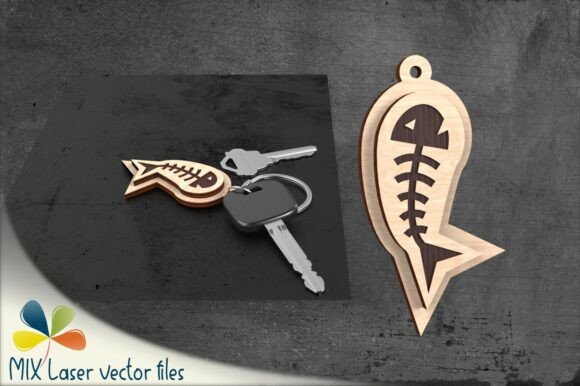
Fish Skeleton Key Accessory Pattern
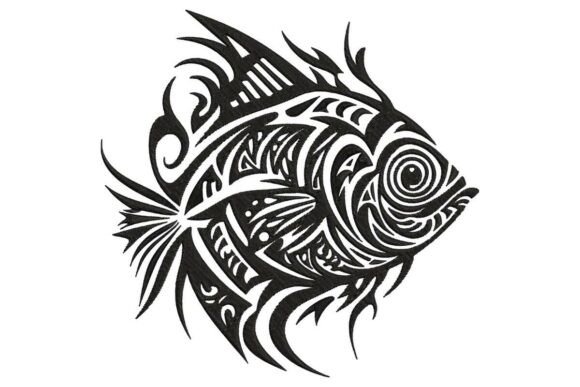
The intersection of marine biology and modern crafting yields some of the most striking designs in contemporary accessory making. Among these, the Fish Skeleton Key Accessory Pattern stands out as a versatile template that balances aesthetic intrigue with structural simplicity. This design features a stylized fish skeleton shaped specifically to produce a lightweight charm, making it an ideal candidate for gifts, personal collections, and handmade accessory sets. Unlike bulky pendants that weigh down delicate chains or clutter keyrings, this skeletal motif offers a refined silhouette that catches the eye without overwhelming the wearer.
For creators working with digital fabrication tools, the appeal lies in the technical precision of the file. The design works perfectly with 3mm material, a standard thickness for many laser cutters and CNC routers. This compatibility ensures that the final product is durable enough for daily use yet thin enough to maintain an elegant profile. Whether you are a hobbyist looking to expand your portfolio or a small business owner seeking a unique product line, understanding how to leverage this pattern can open doors to new creative avenues.
Material Selection and Fabrication Precision
The success of any laser-cut project hinges on material choice. The Fish Skeleton Key Accessory Pattern is particularly suitable for wood and acrylic, two materials that offer distinct visual and tactile experiences. When cut from hardwoods like walnut or cherry, the natural grain interacts with the skeletal lines, adding organic warmth and depth to the piece. The contrast between the dark wood and the negative space of the ribcage creates a sophisticated look that appeals to buyers who appreciate rustic or bohemian aesthetics.
Conversely, using acrylic transforms the charm into something modern and vibrant. Transparent or translucent acrylics allow light to pass through the intricate cuts, highlighting the precision of the design. Colored acrylics can be layered or mixed to create bold, pop-art-inspired accessories. Because the pattern cuts cleanly, there is minimal need for post-processing sanding, which saves time and preserves the sharpness of the details. For those looking to elevate the basic cut, the design can be upgraded with decorative engraving for added texture. Engraving subtle scales or water ripple effects around the skeleton adds a layer of complexity that distinguishes handcrafted items from mass-produced alternatives.
Design Versatility and Creative Applications
One of the strongest assets of this pattern is its adaptability. The included SVG and PDF files allow quick resizing for any crafting workflow, meaning you are not locked into a single size or application. This flexibility encourages experimentation across various product categories. Here are several ways to integrate this design into your creative practice:
- Keychains and Bag Charms: The primary use case remains obvious but effective. Attach the skeleton to a sturdy metal ring using a jump ring. For a premium feel, combine the wooden or acrylic charm with leather tassels or braided cords.
- Earrings and Jewelry: By scaling down the pattern, you can create matching earrings. The lightweight nature of the 3mm material ensures comfort for all-day wear. Pairing two different colored acrylics for left and right ears can create a playful, asymmetrical look.
- Home Decor Ornaments: During holiday seasons, these skeletons make excellent tree ornaments. Their flat profile allows them to hang neatly without tangling, and the intricate cutouts look stunning when backlit by tree lights.
- Bookmarks and Page Markers: Extending the tail section slightly can transform the charm into a functional bookmark. The rigid structure of acrylic or thin wood holds its place in books without damaging pages.
Each application requires slight adjustments in finishing. For jewelry, edges must be smoothed meticulously to prevent irritation. For home decor, durability against humidity might require a protective sealant, especially if using wood.
Customization for Different Audiences
Understanding your target audience helps tailor the final product. For educators and parents, the Fish Skeleton Key Accessory Pattern serves as an engaging STEM tool. It can be used in biology classes to discuss anatomy in a tangible, hands-on way. Students can assemble multi-layered versions to understand depth and structure, or paint individual bones to learn about skeletal systems. In this context, clarity and accuracy in the cut are paramount.
For marketers and small business owners, the charm offers a niche product with high perceived value. The "handmade" aspect is a significant selling point. You can market these as eco-friendly alternatives to plastic trinkets when using sustainable wood sources. Packaging plays a crucial role here; presenting the charm in a simple, recycled cardboard box with a story card about the design process enhances the customer experience. Freelancers and designers can use the SVG files as base elements in larger graphic projects, incorporating the skeletal shape into logos, branding materials, or digital illustrations for marine-themed campaigns.
Bloggers and content creators can document the making process, from file preparation to final assembly. Time-lapse videos of the laser cutter in action or tutorials on how to finish the edges effectively can drive engagement. The visual appeal of the skeleton lends itself well to social media platforms where aesthetics drive clicks and shares.
Technical Tips for Optimal Results
To ensure consistent quality across batches, attention to detail during the digital preparation phase is essential. When resizing the SVG file, maintain the aspect ratio to prevent distortion of the skeletal proportions. A stretched fish skeleton loses its anatomical plausibility and visual balance. Test cuts on scrap material are recommended whenever you change material types or thicknesses. Even within the 3mm category, densities vary between plywood sheets and acrylic brands, affecting cut speed and power settings.
Organization is key when managing multiple variations. Keep your digital files labeled clearly with dates and material specifications. If you offer custom engraving, create a library of common textures or monograms that can be quickly overlaid onto the base pattern. This streamlines the workflow and reduces the chance of errors during production. For those using CNC routers rather than laser cutters, ensure the bit size is appropriate for the tight curves of the ribcage. A smaller end mill will capture more detail but may require slower feed rates to prevent breakage.
Enhancing Value Through Presentation
The final step in creating a successful product is presentation. A well-crafted charm can be undermined by poor packaging or unclear instructions. If selling as a DIY kit, include clear diagrams on how to attach the hardware. For finished goods, consider the narrative behind the piece. Is it inspired by a specific species? Does it symbolize resilience or transformation? Adding a short description connects the buyer emotionally to the object.
Moreover, consistency in branding helps build trust. Use similar color palettes, fonts, and photographic styles across your product listings. High-quality images that show the texture of the wood or the clarity of the acrylic help customers visualize the product in their hands. Close-up shots of the engraving details demonstrate craftsmanship and justify higher price points.
In conclusion, the Fish Skeleton Key Accessory Pattern is more than just a digital file; it is a foundation for diverse creative expressions. Its compatibility with common materials and ease of customization make it accessible to beginners while offering enough depth for experienced makers to innovate. By focusing on quality execution, thoughtful application, and audience-specific adaptations, creators can turn this simple skeletal design into a standout element in their portfolio. Whether used for education, fashion, or decoration, the pattern invites users to explore the beauty of structure and form in everyday objects.