Mastering the Art of Embroidery Borders of Ornaments and Flowers
In the expansive world of textile arts, few elements possess the transformative power of a well-executed border. While central motifs often capture immediate attention, it is the framing details that provide structure, balance, and a sense of completion to a piece. Among the most versatile and enduring choices for these finishing touches are Embroidery Borders of Ornaments and Flowers. These designs serve as more than mere decoration; they are structural components that define the aesthetic tone of a project, bridging the gap between raw fabric and finished art. Whether utilized in high-end fashion, bespoke home décor, or personalized gifts, understanding how to effectively integrate these intricate patterns can elevate the perceived value and visual appeal of any embroidery endeavor.
The Aesthetic Versatility of Floral and Ornamental Designs
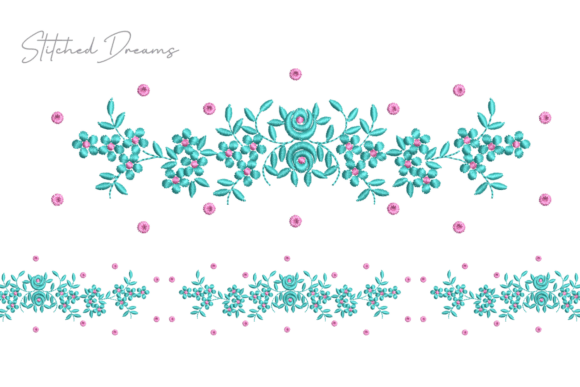
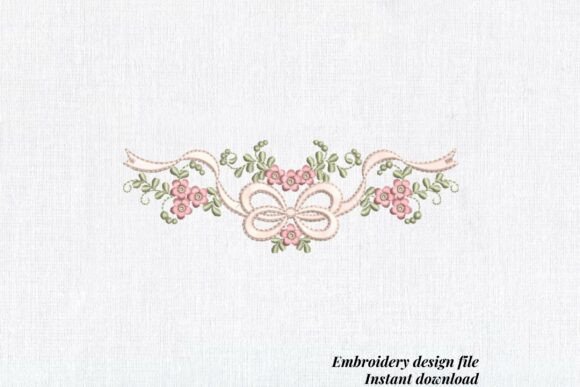
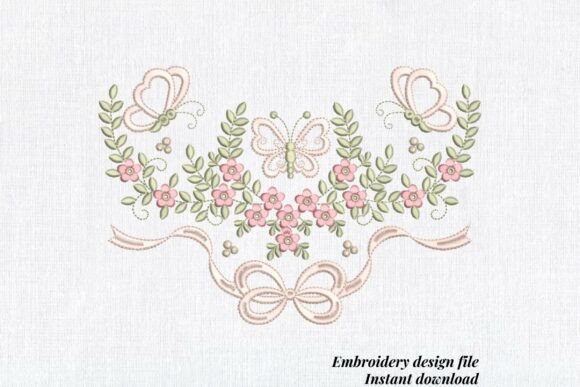
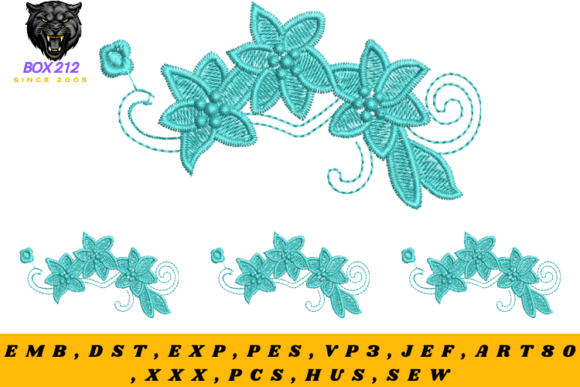
The combination of organic floral elements with structured ornamental details creates a dynamic visual tension that appeals to a wide range of tastes. Flowers bring softness, color, and natural rhythm, while ornaments—such as scrolls, geometric lattices, or classical motifs—provide stability and elegance. This duality allows Embroidery Borders of Ornaments and Flowers to adapt seamlessly to various design philosophies. For instance, a vintage-inspired project might feature lush, realistic roses intertwined with baroque-style scrollwork, evoking a sense of historical grandeur. Conversely, a modern minimalist approach might utilize stylized, abstract blossoms paired with clean, linear ornaments to create a contemporary edge.
This versatility is not limited to style alone but extends to color theory and texture. The digital embroidery files available today are digitized with precision, ensuring that the transition between the delicate petals of a flower and the rigid lines of an ornament remains smooth. This technical accuracy prevents thread breaks and puckering, which are common pitfalls when stitching complex borders. By choosing a design that balances these two elements, creators can achieve a sophisticated look that feels intentional and professionally crafted, regardless of their skill level.
Practical Applications Across Home Décor and Fashion
One of the primary advantages of using pre-digitized border designs is their applicability across a vast array of substrates and products. The utility of Embroidery Borders of Ornaments and Flowers extends far beyond simple patches or small accents. They are foundational elements in interior design textiles, where they can define the character of a room.
- Table Linens: Adding a floral border to tablecloths, napkins, or runners instantly elevates a dining experience. The repetitive nature of border designs makes them ideal for long edges, creating a continuous frame that draws the eye inward toward the center of the table.
- Window Treatments: Curtains and drapes benefit significantly from bottom hem embellishments. A heavy, ornate floral border can add weight and visual interest to lightweight fabrics, helping them hang better while adding a touch of luxury to living spaces.
- Bedding and Pillows: Pillowcases and duvet covers offer large, flat surfaces perfect for showcasing detailed embroidery. A border placed along the opening of a pillowcase or the edge of a sham provides a refined finish that mass-produced bedding often lacks.
- Bath Textiles: Towels and bath mats are durable canvases for embroidery. Using high-quality threads with these border designs can turn everyday bathroom items into spa-like luxuries, offering both durability and aesthetic charm.
In the realm of fashion, these borders are equally impactful. They can be applied to the cuffs of shirts, the hems of skirts, or the collars of blouses. The key is scale; selecting a border size that complements the garment’s proportions ensures the embroidery enhances rather than overwhelms the clothing item. For example, a delicate, narrow border of small flowers and subtle ornaments works beautifully on a child’s dress, while a wider, more intricate design suits a formal evening gown or a structured jacket.
Technical Considerations for Digital Embroidery
While the visual appeal is paramount, the technical execution of Embroidery Borders of Ornaments and Flowers requires careful consideration of digitization quality. Not all digital files are created equal. Expertly digitized designs account for pull compensation, stitch density, and underlay stitching to ensure the final output is crisp and durable. Poorly digitized files may result in gaps between colors, excessive thread consumption, or fabric distortion.
When selecting a design, it is crucial to verify that it has been optimized for smooth stitching. This involves checking the stitch count relative to the size of the design. A high stitch count in a small area can lead to stiffness and puckering, particularly on lighter fabrics like silk or cotton voile. Conversely, too few stitches may leave the fabric visible through the design, reducing the impact of the ornamental details. High-quality digital embroidery designs typically offer multiple sizes, allowing users to choose the dimensions that best fit their specific hoop size and project requirements without compromising the integrity of the stitch pattern.
Furthermore, the choice of thread and stabilizer plays a critical role in the success of these borders. Metallic threads, often used in ornamental sections to mimic gold or silver detailing, require slower stitching speeds and specialized needles to prevent breakage. Similarly, the stabilizer must be chosen based on the fabric type. Cut-away stabilizers are generally recommended for stretchy fabrics like knits, while tear-away stabilizers work well for stable woven fabrics. Proper hooping techniques, ensuring the fabric is taut but not stretched, are essential to maintain the alignment of the border, especially when stitching long, continuous lines.
Enhancing Creativity Through Customization
Although digital designs provide a ready-made solution, they also serve as a springboard for further creativity. Many embroidery software programs allow users to modify existing Embroidery Borders of Ornaments and Flowers to suit specific needs. Users can adjust the color palette to match a particular theme, such as pastels for a nursery or deep jewel tones for a formal event. Additionally, some designs can be split or repeated to fit non-standard dimensions, offering flexibility for unique projects like irregularly shaped table runners or custom-sized apparel.
Experimenting with thread textures can also transform the look of a standard border. Using matte cotton threads for the flowers and shiny rayon or polyester for the ornaments can create a subtle contrast that highlights the different elements of the design. Alternatively, incorporating variegated threads can add depth and movement to the floral components, making each bloom appear unique even within a repetitive border pattern. This level of customization allows creators to infuse their personal style into the project, ensuring that the final piece is not just a product of a digital file, but a reflection of individual artistic vision.
The Enduring Appeal of Handcrafted Elegance
In an era dominated by mass production, the presence of embroidered details signals care, quality, and attention to detail. Embroidery Borders of Ornaments and Flowers embody this sentiment, offering a timeless aesthetic that transcends fleeting trends. They connect the maker to a long tradition of textile arts, where beauty was found in the meticulous arrangement of thread and fabric. For businesses, offering customized embroidered items can differentiate their brand, appealing to consumers who value uniqueness and craftsmanship. For hobbyists, the process of selecting, stitching, and finishing these borders provides a satisfying creative outlet that results in tangible, lasting beauty.
Ultimately, the integration of these borders into embroidery projects is about more than just adding decoration; it is about enhancing the narrative of the fabric. Whether adorning a heirloom quilt, a modern curtain, or a cherished garment, these designs bring a sense of refinement and charm that resonates with viewers. By understanding the balance between floral softness and ornamental structure, and by paying attention to the technical aspects of digitization and stitching, creators can unlock the full potential of these versatile designs. The result is a collection of works that are not only visually stunning but also technically sound, standing as testaments to the enduring power of thoughtful design in the world of embroidery.