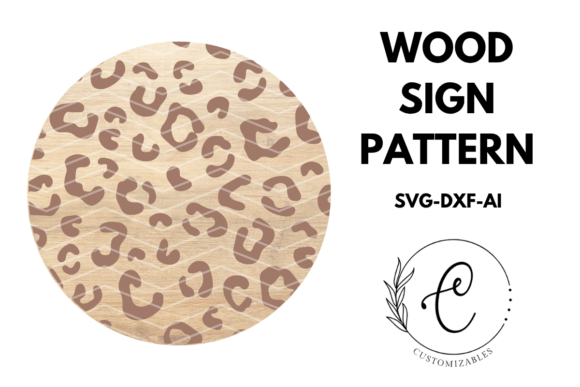
Leopard Pattern Wood Sign for Laser: Elevating Wall Art with Precision Cutting
There is a distinct satisfaction in watching a laser cutter trace intricate lines, transforming a flat sheet of material into something textured and dimensional. For makers, interior designers, and hobbyists alike, the Leopard Pattern Wood Sign for Laser represents more than just a digital file; it is a gateway to creating sophisticated, modern decor that feels both organic and engineered. This specific design bridges the gap between wild, natural aesthetics and clean, geometric precision, offering a unique visual appeal that stands out in crowded home decor markets.
When you download this package, you are not just getting an image; you are acquiring a toolkit consisting of SVG, DXF, and AI files. These formats ensure compatibility with virtually every major laser cutting software, from LightBurn to Adobe Illustrator. The result is a versatile asset that allows you to produce stunning wooden wall art, decorative panels, or functional signage with minimal friction. Because this is a digital download, the creative possibilities are limited only by your material choice and finishing skills, not by inventory constraints or shipping delays.
Transforming Living Spaces with Geometric Nature
The primary allure of the leopard pattern lies in its ability to serve as a focal point without overwhelming a room. Unlike traditional photographic prints, a laser-cut wood sign adds depth and shadow play that changes throughout the day as light moves across the surface. This makes it an ideal choice for modern living rooms, entryways, or even office spaces where a touch of personality is desired without sacrificing professionalism.
Consider the scenario of a homeowner looking to refresh a bland accent wall. Painting is temporary and often messy. Installing a large-scale Leopard Pattern Wood Sign for Laser cut from high-quality plywood or MDF offers a permanent, textural solution. The geometric interpretation of the classic spots creates a contemporary vibe that pairs well with mid-century modern furniture, industrial shelving, or minimalist decor. It acts as a conversation starter, drawing the eye while maintaining a sense of calm through its structured repetition.
For those who enjoy DIY projects, the process is straightforward yet rewarding. You can cut the pattern from a single sheet of wood for a sleek, monochromatic look, or layer two different colored woods to create contrast. Imagine a dark walnut base with lighter maple spots, or vice versa. The interplay of tones adds richness that paint simply cannot replicate. This flexibility allows creators to tailor the piece to existing color palettes, ensuring the final artwork feels integrated rather than added on.
Commercial Applications and Brand Identity
Beyond residential use, this design holds significant potential for commercial environments. Boutique hotels, trendy cafes, and co-working spaces often seek unique branding elements that convey sophistication and attention to detail. A large-scale installation of the leopard pattern can serve as an impressive backdrop for social media photos, effectively turning customers into brand ambassadors. The natural wood texture conveys warmth and authenticity, values that many modern businesses strive to project.
Real estate stagers also find value in such versatile decor pieces. When preparing a home for sale, neutral yet striking art helps potential buyers visualize themselves in the space. A laser-cut wood sign is lightweight enough to hang easily but substantial enough to feel premium. It adds character to empty rooms without imposing a specific taste that might alienate buyers. The geometric nature of the Leopard Pattern Wood Sign for Laser ensures it appeals to a broad demographic, avoiding the polarizing effects of more abstract or controversial art styles.
Material Considerations and Technical Execution
While the design files are ready to use, the choice of material significantly impacts the final outcome. Wood is the most popular choice, offering warmth and grain variation that enhances the organic feel of the leopard motif. Birch plywood is a favorite among laser enthusiasts due to its smooth surface and consistent layers, which minimize charring. However, MDF (Medium Density Fiberboard) provides a uniform canvas that takes paint exceptionally well if you prefer a bold, colored finish over natural wood tones.
Acrylic is another viable option, particularly for modern or futuristic interiors. Cutting the pattern from translucent acrylic allows for backlighting, creating a glowing effect that can serve as ambient lighting in bedrooms or hallways. When using acrylic, it is crucial to adjust laser settings to prevent melting or excessive fuming, but the resulting clarity and shine offer a completely different aesthetic from wood.
It is important to note that laser cutting involves kerf—the width of the material removed by the laser beam. While the provided SVG, DXF, and AI files are optimized for standard machines, slight adjustments may be necessary depending on your specific equipment. Testing on scrap material is always recommended to fine-tune power and speed settings. This ensures clean edges and prevents burn marks, which can detract from the crispness of the geometric design.
Gift Giving and Personalized Creations
In the realm of handmade gifts, this pattern offers a unique angle. Animal lovers, particularly those who appreciate the elegance of big cats, will cherish a custom-made piece. By combining the leopard pattern with personalized text—such as a family name or a meaningful date—you create a heirloom-quality item. The laser cutter can easily integrate text within the negative spaces of the pattern or along the borders, adding a layer of personalization that mass-produced items lack.
Weddings and special events also present opportunities for this design. Table numbers, welcome signs, or photo booth backdrops featuring the leopard pattern can tie together a theme that is both chic and playful. The ability to produce multiple identical units quickly makes it practical for event planners who need consistency across various decorative elements. Moreover, the durability of wood means these items can be kept as mementos long after the event has concluded.
Navigating Limitations and Best Practices
Despite its versatility, there are considerations to keep in mind. The complexity of the geometric design means that smaller details may be fragile if cut from thin materials. Using wood that is at least 3mm to 6mm thick ensures structural integrity, especially for larger signs. If you plan to hang the piece, consider reinforcing the back with a solid panel or using sturdy mounting hardware to support the weight.
Additionally, while the digital file is universal, the finish requires manual effort. Sanding the edges after cutting removes soot and smooths any roughness, enhancing the professional look of the piece. Applying a clear sealant or oil protects the wood from humidity and UV damage, preserving the beauty of the grain over time. These post-processing steps are essential for transforming a raw cut into a polished product worthy of display.
Ultimately, the Leopard Pattern Wood Sign for Laser is a tool for creativity. It empowers users to produce high-end decor with accessible technology. Whether you are a seasoned maker looking to expand your portfolio or a beginner eager to tackle a visually impressive project, this design offers the perfect balance of challenge and reward. By understanding the materials, respecting the technical requirements, and exploring diverse applications, you can unlock the full potential of this striking geometric pattern.