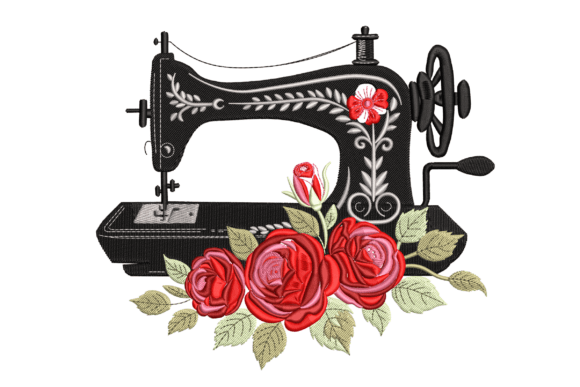
Vintage Sewing Machine Embroidery Design
There is a distinct charm in the imperfections of handmade items, a warmth that mass-produced goods often struggle to replicate. The Vintage Sewing Machine embroidery design captures this essence perfectly, offering crafters and small business owners a way to infuse their projects with nostalgia and character. This isn’t just a digital file; it is a bridge between the tactile history of textile work and modern crafting convenience. Whether you are looking to personalize a tote bag for a local market or add a unique touch to a line of artisanal t-shirts, this design serves as a versatile asset in your creative toolkit.
Visual Appeal and Stylistic Character
The visual language of the Vintage Sewing Machine design is rooted in authenticity. It avoids the sterile precision of vector graphics in favor of a look that mimics the organic flow of thread on fabric. The lines are clean yet possess a subtle texture that suggests depth, making the motif appear as though it has been stitched with care rather than printed by a machine. This aesthetic aligns well with the current trend toward "slow fashion" and mindful consumption, where the story behind an item is as valuable as the item itself.
For designers and brand strategists, understanding the personality of such a motif is crucial. It conveys reliability, tradition, and craftsmanship. When used in brand identity development, particularly for businesses in the handmade, vintage, or sustainable sectors, this imagery reinforces the core values of the brand without needing excessive text. It acts as a visual shorthand for quality and attention to detail. Unlike a generic sans serif font or a bold display font that might shout for attention, this embroidery design whispers elegance and heritage, inviting the viewer to look closer.
Practical Applications Across Creative Projects
Versatility is the hallmark of any high-quality design asset. The Vintage Sewing Machine motif is not limited to a single type of fabric or product. Its balanced proportions make it suitable for a wide range of applications, from small-scale personal gifts to larger commercial runs. Here is how you can integrate this design into various projects:
- Apparel Customization: Place the design on the chest pocket of a denim jacket or the hem of a linen shirt. It adds a focal point that elevates basic garments into statement pieces.
- Tote Bags and Accessories: Canvas bags benefit greatly from embroidered details. The durability of the stitch pattern ensures it withstands daily use while maintaining its visual appeal.
- Home Decor: Use the design on throw pillows, table runners, or wall hangings. It complements farmhouse, shabby chic, and industrial interior styles effortlessly.
- Packaging Design: For small business owners, incorporating this motif into physical tags or fabric labels adds a premium feel to product packaging, enhancing the unboxing experience.
In the realm of digital design, this motif can also be scanned or photographed to create textures for social media graphics or website backgrounds. While primarily an embroidery file, its visual impact translates well into editorial design layouts where a tactile element is needed to break up text-heavy pages. It provides a contrast to sleek modern typography, creating a dynamic visual hierarchy that guides the reader’s eye through the content.
Technical Compatibility and Ease of Use
One of the most frustrating aspects of working with digital embroidery files is format incompatibility. Different machines require different file types, and converting them manually can lead to loss of detail or stitching errors. The Vintage Sewing Machine design addresses this pain point by coming with multiple embroidery file formats. This inclusivity ensures that whether you own a Brother, Janome, Bernina, or Husqvarna Viking machine, you can load the file directly without additional software hurdles.
The design is engineered to be easy to stitch. This means the digitizer has optimized the stitch count and pathing to minimize thread breaks and jumps. For hobbyists who may not have advanced knowledge of digitizing software, this reliability is invaluable. It reduces waste—both in terms of thread and fabric—and saves time during production. For entrepreneurs running a small batch production, consistency is key. A design that stitches out cleanly every time ensures that each product meets professional standards, reinforcing customer trust.
When evaluating the fit for your project, consider the size constraints of your hoop. This design scales well, but it is essential to test a sample on scrap fabric first. Check the tension and density to ensure the fabric does not pucker. This step is critical for maintaining the crispness of the visual lines, especially if you are working with lighter materials like cotton voile or heavier ones like denim.
Enhancing Brand Perception Through Craft
In today’s saturated market, differentiation is vital. Using unique elements like the Vintage Sewing Machine embroidery design helps build a recognizable brand identity. It signals to your audience that you value craftsmanship and individuality. This perception can justify higher price points and foster deeper customer loyalty. People are not just buying a product; they are buying into a narrative of care and tradition.
Consider how this design pairs with your existing branding elements. If your logo uses a delicate script font or a sturdy serif font, the mechanical yet artistic nature of the sewing machine motif can provide a complementary contrast. It bridges the gap between the digital precision of your logo and the tactile reality of your physical products. This cohesion across touchpoints—from your website’s web design to the actual item in the customer’s hand—creates a seamless and professional brand experience.
Furthermore, this design supports commercial font and asset licensing standards, meaning you can use it confidently in products intended for sale. Always review the specific license terms included with your download to ensure compliance, but generally, such assets are designed to support creators in monetizing their work. This freedom allows you to experiment with new product lines, such as limited-edition runs or seasonal collections, without worrying about intellectual property restrictions.
Ultimately, the value of the Vintage Sewing Machine design lies in its ability to elevate simple materials into cherished objects. It invites the creator to slow down and appreciate the process, resulting in work that resonates with others who share an appreciation for the handmade. By integrating this motif into your workflow, you are not just adding a decoration; you are embedding a story of craftsmanship into every stitch.