Pretty Two-Tier Cake Embroidery Design: A Playful Redwork Solution for Celebrations
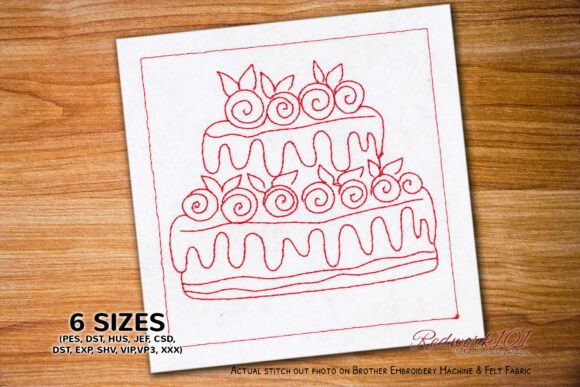
Finding the perfect decorative element for birthday projects, kitchen textiles, or celebration-themed gifts can often feel like a balancing act between creativity and technical execution. For many embroidery enthusiasts, the goal is to create something that feels festive and whimsical without requiring hours of complex stitching or expensive thread changes. This is where the Pretty Two-Tier Cake Embroidery Design emerges as an ideal solution. This playful redwork design features a layered cake adorned with decorative swirls and fruits, offering a charming aesthetic that is both timeless and versatile. Whether you are a beginner looking to build confidence or an experienced digitizer seeking efficient project options, this design addresses common needs for speed, visual appeal, and adaptability.
Understanding the Appeal of Redwork Cake Motifs
Redwork embroidery has long been cherished for its simplicity and high-contrast visual impact. Traditionally executed in a single color—often red on white fabric—this style relies on outline stitches rather than filled areas. The Pretty Two-Tier Cake Embroidery Design leverages this tradition by presenting a stylized, two-layered cake. The design includes intricate details such as decorative swirls representing frosting and small fruit accents, which add character without complicating the stitching process.
For adults seeking practical embroidery solutions, the primary advantage here is efficiency. Complex satin fills or dense zigzag patterns can cause fabric puckering, require extensive stabilizing, and take significant machine time. In contrast, a redwork-style outline design minimizes these risks. It allows for faster completion times, making it perfect for last-minute gift preparations or bulk production for events like bake sales or party favors. The clean lines ensure that the final product looks professional, even if the operator is still mastering tension settings or hoop alignment.
Addressing Common Embroidery Challenges
Many hobbyists and small business owners face specific challenges when selecting digital designs. These include difficulty with thread breaks, excessive jump stitches, and designs that do not scale well across different hoop sizes. The Pretty Two-Tier Cake Embroidery Design is structured to mitigate these issues. By focusing on continuous lines and logical stitch paths, the design reduces the likelihood of thread breaks and minimizes the need for trimming loose ends.
Furthermore, the optional box stitch mentioned in the design specifications provides a flexible framework for users. This outer border can serve multiple purposes: it can act as a placement guide for precise positioning, a decorative frame for monograms, or a structural boundary for appliqué projects. However, recognizing that not every project requires a border, the design allows users to skip this color stop directly in their machine interface. This level of customization ensures that the design adapts to the user’s specific vision rather than forcing a rigid template.
Practical Applications and Creative Outcomes
The versatility of this cake motif extends far beyond simple wall art. Its compact and balanced composition makes it suitable for a wide array of household items and personal accessories. Consider the following practical applications:
- Kitchen Decor: Embroider the design onto tea towels, aprons, or oven mitts. The food-related theme naturally complements culinary spaces, adding a touch of warmth and personality.
- Birthday Projects: Use the design on tote bags, pillowcases, or children’s clothing to celebrate birthdays. The playful swirls and fruits evoke a sense of joy and celebration without being overly childish.
- Gift Items: Create personalized coasters, table runners, or napkin rings. The redwork style pairs beautifully with linen or cotton fabrics, creating a rustic yet refined look that appeals to adult recipients.
- Quilting Blocks: Incorporate the design into quilt squares for a themed quilt. The outline nature of the design allows it to blend seamlessly with patchwork patterns without overwhelming the surrounding fabric.
Each of these applications benefits from the design’s clarity. Because the image relies on distinct lines rather than shaded gradients, it remains legible and attractive even when scaled down for smaller items like cookie tags or scaled up for larger banners.
Customization Strategies for Different Users
One of the strengths of the Pretty Two-Tier Cake Embroidery Design is its adaptability to different skill levels and creative goals. Beginners may choose to stick with the traditional redwork approach, using a single strand of cotton floss or standard polyester thread in a classic red hue. This method emphasizes the nostalgic charm of the design and requires minimal setup.
Intermediate and advanced users, however, might explore more dynamic interpretations. Since the design separates elements into logical color stops, you can easily swap threads to match specific party themes. For example, replacing the traditional red with pastel pinks and blues can transform the cake into a baby shower motif. Alternatively, using metallic threads for the swirls can add a touch of elegance for evening event decor.
It is also important to note the flexibility regarding the optional box stitch. If you are creating a set of items, such as a collection of napkins, you might choose to include the box stitch on some pieces for a framed look while omitting it on others for a more organic feel. This variation adds visual interest to a coordinated set without requiring additional designs. Additionally, because the outer box color is often distinct from the main design, skipping it in your machine settings is a straightforward process that does not disrupt the integrity of the cake illustration itself.
Technical Considerations for Best Results
To ensure the highest quality outcome when using this design, attention to material selection and machine setup is crucial. Since redwork designs rely on outline stitches, any inconsistency in tension or fabric stability will be immediately visible. It is recommended to use a cut-away stabilizer for stretchy fabrics like jersey knits, or a tear-away stabilizer for stable woven cottons and linens. Always hooping your fabric tightly to prevent shifting during the stitching process will help maintain the crispness of the decorative swirls and fruit details.
Thread choice also plays a significant role in the final appearance. While traditional redwork uses matte cotton, modern embroidery machines perform exceptionally well with high-sheen polyester threads. These threads offer greater durability and colorfastness, which is essential for items like kitchen towels that will undergo frequent washing. If you choose to omit the optional box stitch, ensure that your machine’s trim function is enabled to cleanly cut the thread before moving to the next color or ending the design, preventing unsightly tails on the back of the fabric.
Conclusion
The Pretty Two-Tier Cake Embroidery Design offers a compelling blend of aesthetic charm and practical functionality. By addressing common pain points such as complexity, time consumption, and rigidity, it empowers users to create high-quality embroidered items with confidence. Whether you are decorating your home, preparing for a celebration, or crafting thoughtful gifts, this design provides a reliable foundation for creativity. Its adaptable nature allows for endless customization, ensuring that each project reflects your unique style while maintaining the timeless appeal of redwork embroidery. Embrace the simplicity and elegance of this cake motif to elevate your next embroidery endeavor.