The Enduring Allure of the Ornamental Fleur-de-Lis in Modern Textile Art
The history of textile decoration is rich with symbols that transcend mere aesthetics to become cultural touchstones. Among these, few motifs possess the regal heritage and visual versatility of the fleur-de-lis. For centuries, this stylized lily has adorned royal crests, architectural facades, and fine linens, symbolizing purity, light, and perfection. In the contemporary era of digital craftsmanship, the Ornamental Fleur-de-Lis has found a vibrant new life through machine embroidery. This revival is not merely about replicating historical patterns; it is about integrating timeless elegance into modern creative workflows. Whether you are a professional digitizer, a home decor enthusiast, or a small business owner creating bespoke gifts, understanding the nuances of ornate floral embroidery designs can significantly elevate the quality and perceived value of your work.
Deconstructing the Aesthetic: Why Detail Matters
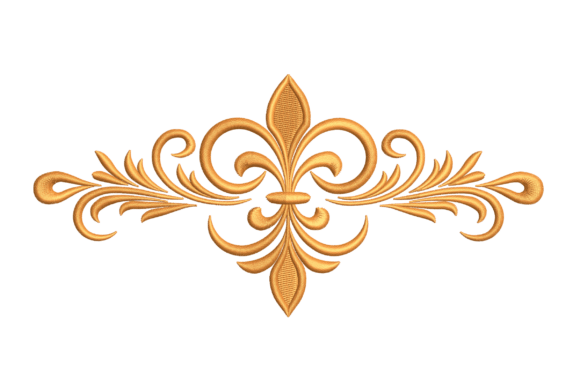
What distinguishes an ordinary floral motif from a truly captivating Ornate Fleur de Lis Embroidery Design? The answer lies in the complexity of the curves and the density of the detailing. Unlike simplified vector icons often used for logos, an embroidery-ready fleur-de-lis intended for decorative purposes requires a sophisticated approach to stitch placement. The classic ornamental curves must flow seamlessly, avoiding sharp angles that can cause thread breaks or puckering in the fabric. Rich detailing is achieved through varied stitch types, including satin stitches for smooth outlines and fill stitches for textured interiors.
When selecting or creating a design, one must consider the interplay between negative space and filled areas. A well-digitized vintage decorative stitch pattern will balance these elements to create depth without overwhelming the base material. This balance is crucial for maintaining the structural integrity of the fabric, especially when working with delicate materials like silk or high-thread-count cotton. The goal is to achieve a look of timeless sophistication in every stitch, where the design appears to float gracefully on the surface rather than sitting heavily upon it.
Versatile Applications Across Industries
The utility of a high-quality fleur-de-lis embroidery file extends far beyond simple embellishment. Its symmetrical nature and recognizable silhouette make it an ideal candidate for a wide array of applications. Understanding these use cases helps creators tailor their projects to meet specific market demands or personal aesthetic goals.
Elevating Home Decor and Linens
In the realm of interior design, the fleur-de-lis serves as a bridge between traditional and transitional styles. Embroidered throw pillows, table runners, and curtain tie-backs featuring this motif add a layer of refined luxury to living spaces. For home sewists, applying an Ornamental Fleur-de-Lis to plain linen napkins or tea towels transforms everyday items into heirloom-quality pieces. The key here is scale; larger, more intricate designs work beautifully on statement pieces like duvet covers, while smaller, simplified versions are perfect for accentuating the corners of hand towels.
The Art of Monogramming
Monogramming remains one of the most popular uses for floral embroidery designs. The fleur-de-lis pairs exceptionally well with initials, framing them in a way that suggests heritage and personalized care. When used in monogramming, the ornate curves of the lily can intertwine with serif fonts, creating a cohesive visual unit. This application is particularly lucrative for businesses offering personalized gifts for weddings, anniversaries, and baptisms. The combination of a client’s initials with a vintage decorative stitch element creates a product that feels exclusive and thoughtfully curated.
Fashion and Apparel Accents
While often associated with home goods, this motif also holds significant potential in fashion. Embroidered cuffs on dress shirts, pockets on denim jackets, or hemlines on skirts can feature subtle fleur-de-lis details. For designers, the challenge lies in adapting the design to the stretch and drape of garment fabrics. Using stabilizers correctly and choosing thread colors that complement rather than clash with the fabric is essential. A well-executed embroidery design can turn a basic garment into a boutique-level item, appealing to consumers who value unique, handcrafted details.
Technical Considerations for Machine Embroidery
Executing a complex design like the Ornate Fleur de Lis requires more than just a digital file; it demands technical proficiency and an understanding of machine capabilities. One of the primary advantages of modern embroidery files is their compatibility. A professional-grade design package typically includes multiple file formats, such as PES, DST, JEF, and EXP, ensuring usability across various brands of embroidery machines. This versatility allows creators to switch between hardware without losing design fidelity.
However, file format is only the beginning. Thread selection plays a pivotal role in bringing out the rich detailing of the design. Rayon threads offer a high sheen that mimics silk, enhancing the luxurious feel of the ornamental curves. Polyester threads, while slightly less shiny, provide superior durability and colorfastness, making them ideal for items that will undergo frequent washing, such as kitchen linens or children’s clothing. Metallic threads can be used sparingly to highlight specific contours, adding a touch of opulence that aligns with the royal history of the symbol.
Stabilization is another critical factor. Because ornate designs often involve dense stitching, using the wrong stabilizer can lead to distortion. Cut-away stabilizers are generally recommended for knit fabrics and heavy-use items, providing ongoing support. Tear-away stabilizers may suffice for woven fabrics with lighter stitch counts, but care must be taken during removal to avoid damaging the intricate edges of the fleur-de-lis. Testing the design on a scrap piece of the same fabric is always advisable before committing to the final project.
Navigating the Market for Digital Designs
For those who do not digitize their own patterns, sourcing high-quality files is essential. The market is saturated with free and low-cost designs, but these often lack the refinement needed for professional results. Common issues include poor pathing, which leads to excessive thread trims and jump stitches, or inadequate underlay, causing the design to pucker. Investing in a premium Ornate Fleur de Lis Embroidery Design ensures that the digitizer has optimized the stitch sequence for efficiency and aesthetic appeal.
When evaluating a design, look for previews that show the stitch map, not just the finished image. A good provider will offer information on stitch count, dimensions, and recommended hoop sizes. Additionally, customer reviews can provide insights into how the design performs on different machines. A design that is described as "easy to stitch" and "clean" is likely well-digitized, whereas reports of frequent thread breaks or alignment issues should serve as warning signs.
Cultural Resonance and Design Longevity
Beyond technical specifications, the enduring popularity of the fleur-de-lis speaks to its deep cultural resonance. It is a symbol that transcends trends, remaining relevant in both classical and modern contexts. This longevity makes it a safe yet stylish choice for creators looking to build a portfolio of evergreen products. Unlike fleeting fashion trends, the Ornamental Fleur-de-Lis maintains its appeal across generations, ensuring that embroidered items retain their value and beauty over time.
Furthermore, the adaptability of the design allows for creative experimentation. By altering color palettes, creators can shift the mood of the piece. Traditional gold and navy evoke a sense of royalty and formality, while pastel shades can soften the motif for nursery decor or spring-themed collections. Monochromatic schemes, such as white-on-white embroidery, highlight the texture and craftsmanship, appealing to minimalist aesthetics. This flexibility ensures that the design remains fresh and relevant, regardless of changing interior design trends.
Conclusion: Crafting with Intent
Incorporating an elegant vintage decorative stitch like the fleur-de-lis into your embroidery projects is more than a technical exercise; it is an act of connecting with a long tradition of artistic expression. Whether you are enhancing home decor, creating personalized gifts, or adding detail to apparel, the quality of your chosen design and the care taken in its execution will define the final outcome. By prioritizing high-quality files, understanding the technical requirements of your machine, and appreciating the symbolic weight of the motif, you can create pieces that resonate with beauty and sophistication. The Ornamental Fleur-de-Lis remains a powerful tool in the embroiderer’s arsenal, offering a blend of historical grandeur and modern versatility that continues to inspire creators worldwide.