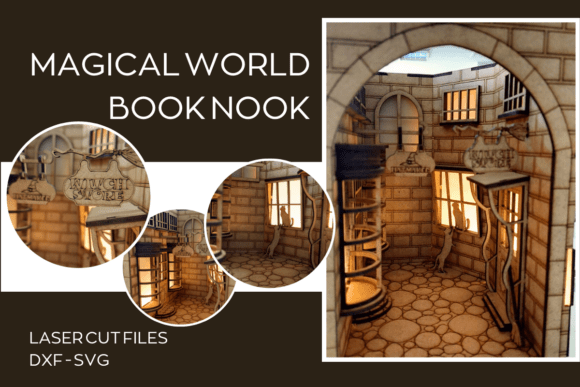
Strategic Craftsmanship: Leveraging Book Nook Laser Cut Dxf-Svg for Creative Branding and Precision
In the evolving landscape of creative entrepreneurship and hobbyist craftsmanship, the distinction between a simple project and a strategic asset often lies in preparation and precision. For makers, small business owners, and design enthusiasts, time is the most non-renewable resource. This is where digital assets like the Book Nook Laser Cut Dxf-Svg file pack transition from being mere downloads to becoming essential tools for efficient production. Whether you are looking to create a unique decorative piece for your own shelf or developing a product line for a niche market, understanding how to utilize these files effectively can significantly impact your operational workflow and final output quality.
A book nook is more than a shelf insert; it is a narrative device. It transforms a static row of books into a portal, inviting viewers into a miniature world. However, the complexity of designing such intricate structures from scratch can be prohibitive. By utilizing pre-optimized digital files, you bypass the steep learning curve of vector design and structural engineering, allowing you to focus on execution, finishing, and presentation. This approach aligns with a broader strategic principle: leverage existing high-quality resources to accelerate your path to a professional result.
Understanding the Technical Foundation
Before importing any file into your laser cutter, it is crucial to understand what you are working with. The Book Nook Laser Cut Dxf-Svg package provides files in two primary formats: SVG (Scalable Vector Graphics) and DXF (Drawing Exchange Format). These are not interchangeable in every context, and choosing the right one depends on your software ecosystem.
- SVG Files: Ideal for users operating within browser-based or modern design interfaces like Glowforge’s native app, Cricut Design Space, or Adobe Illustrator. SVGs retain color information and layer structures well, making them excellent for visual organization before cutting.
- DXF Files: The industry standard for CAD-based laser software such as LightBurn or RDWorks. DXF files are purely geometric, stripping away unnecessary metadata to ensure that the laser path is interpreted with mathematical precision. If you are using LightBurn, this is typically the preferred format for reliability.
The strategic value here is compatibility. By providing both formats, the package ensures that regardless of your hardware setup—from a desktop diode laser to an industrial CO2 cutter—you can integrate these designs into your workflow without conversion errors. This reduces the risk of file corruption or misaligned layers, which are common pitfalls when converting between formats manually.
Material Selection and Operational Constraints
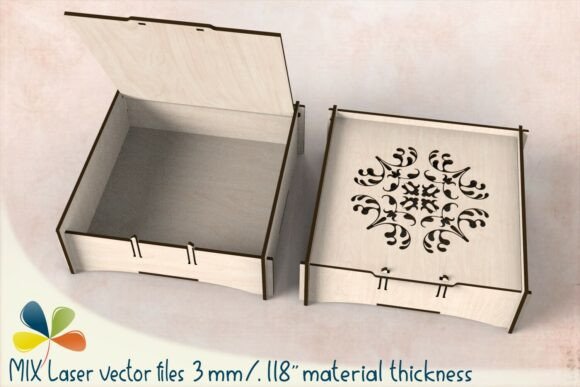
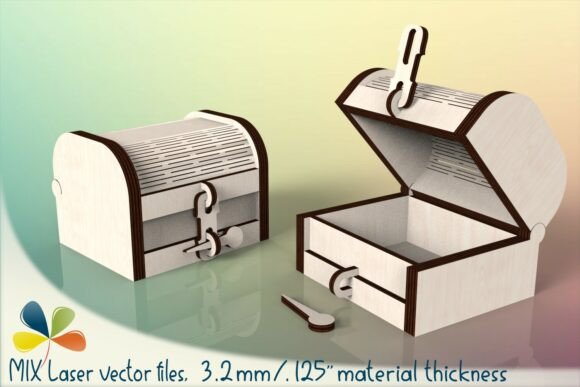
One of the most critical decisions in laser cutting is material selection. The Book Nook Laser Cut Dxf-Svg files are specifically optimized for 3mm-thick materials. This specification is not arbitrary; it is a structural necessity. The joints, tabs, and interlocking mechanisms designed in these files rely on the friction fit provided by 3mm wood, acrylic, or MDF. Using material that is even slightly thicker or thinner can result in pieces that are either too loose to hold together or too tight to assemble without breaking.
When planning your project, consider the following material strategies:
- Birch Plywood: Offers a clean, light aesthetic that takes paint and stain exceptionally well. It is ideal for projects where you plan to add detailed hand-painting to the miniature scene.
- MDF (Medium Density Fiberboard): Provides a uniform surface with no grain, making it perfect for a smooth, painted finish. However, it produces more smoke and residue during cutting, requiring more frequent lens cleaning and ventilation.
- Acrylic: For a modern, translucent look, clear or colored acrylic can create stunning lighting effects. Note that acrylic requires different power and speed settings than wood, so always run test cuts on scrap material first.
Ignoring the 3mm constraint is a common error among beginners. If you only have 4mm material available, do not attempt to scale the files uniformly. Scaling changes the dimensions of the tabs and slots, rendering the assembly impossible. Instead, view this constraint as a boundary that drives creativity within a defined framework, ensuring structural integrity.
From Digital File to Tangible Value
Creating a book nook is not just about cutting wood; it is about curating an experience. The Book Nook Laser Cut Dxf-Svg provides the skeleton, but the flesh and soul come from your finishing choices. This is where your unique value proposition emerges. Two makers can use the exact same digital file, yet produce vastly different products based on their approach to lighting, painting, and thematic customization.
Consider the end goal. Are you creating this for personal enjoyment, or are you building a brand? If it is the latter, consistency is key. Use the digital files to establish a baseline product, then develop a signature style through your finishing techniques. Perhaps you specialize in fantasy themes with mossy textures and warm LED lighting, or maybe you focus on cyberpunk aesthetics with neon accents and metallic paints. The digital file is the constant; your artistic input is the variable that defines your market position.
Furthermore, these projects make exceptional gifts. In a digital age, tangible, handcrafted items carry significant emotional weight. A book nook demonstrates effort, skill, and thoughtfulness. By using high-quality digital files, you ensure that the structural aspect is flawless, allowing your personal touch to shine through in the details. This balance of technical precision and artistic expression is what creates memorable, high-value items.
Risk Management and Quality Control
While digital files reduce design risk, they do not eliminate operational risk. Laser cutting is a subtractive manufacturing process, meaning mistakes are permanent. To mitigate this, adopt a rigorous testing protocol:
- Test Cuts: Always cut a single joint or a small section of the file on your chosen material to verify fit. Adjust power and speed settings until the cut is clean and the tab fits snugly into the slot.
- Layer Verification: Before sending the entire job to the laser, review the file in your software. Ensure that cut lines are properly assigned to the correct layers and that no stray vectors exist that could cause unintended burns.
- Material Inspection: Check your 3mm sheets for warping or knots. A warped sheet can cause focal length issues, leading to uneven cuts. Flatten the material if necessary, or adjust your laser’s focus dynamically if your machine supports it.
Failing to perform these checks can lead to wasted material and frustrated customers if you are selling the final product. Remember, the digital file is only as good as its execution. Your attention to detail in the preparation phase directly correlates to the quality of the final outcome.
Long-Term Strategic Benefits
Investing in high-quality digital assets like the Book Nook Laser Cut Dxf-Svg pack offers long-term benefits beyond a single project. It builds a library of proven designs that can be revisited, modified, or used as templates for future creations. Over time, you develop a deeper understanding of how vector files translate to physical objects, improving your ability to troubleshoot and innovate.
For educators and workshop leaders, these files provide a structured curriculum for teaching laser cutting basics. Students can focus on learning machine operation, safety protocols, and finishing techniques without getting bogged down in complex design software. This accelerates the learning process and boosts confidence, leading to better engagement and retention.
Ultimately, the decision to use pre-made digital files should be viewed through the lens of efficiency and quality. It allows you to allocate your cognitive resources to areas where you add the most value: creativity, customization, and customer experience. By mastering the technical aspects of these files, you free yourself to explore the artistic possibilities, turning a simple craft project into a sophisticated display of skill and vision.
As you embark on this project, remember that the goal is not just to cut wood, but to create a moment of wonder. The Book Nook Laser Cut Dxf-Svg is your tool, but your intention is the driver. Approach it with planning, respect the material constraints, and infuse it with your unique perspective. The result will be more than a decoration; it will be a testament to thoughtful craftsmanship.