Mastering the Valentine s Day Gift Box Laser Cut CNC Workflow for Precision Crafting
Creating meaningful, tangible gifts requires a blend of creative vision and technical precision. For makers, small business owners, and hobbyists utilizing digital fabrication tools, the Valentine s Day Gift Box Laser Cut CNC represents more than just a seasonal product; it is a testament to efficient workflow integration and design versatility. Whether you are producing a single heartfelt present or scaling up for a boutique retail launch, understanding how to effectively implement this specific design file into your production pipeline is crucial for achieving professional results.
This guide explores the practical aspects of working with laser-cut wooden gift boxes, focusing on file compatibility, machine setup, and quality control. By treating the digital asset as a core component of your manufacturing process, you can minimize errors, reduce material waste, and ensure that every heart-shaped box meets high aesthetic standards.
Understanding the Digital Asset and Its Role in Production
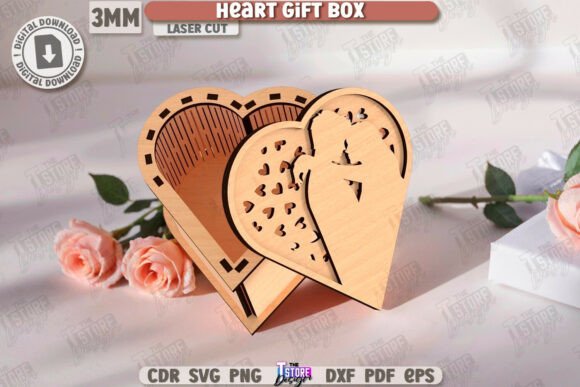
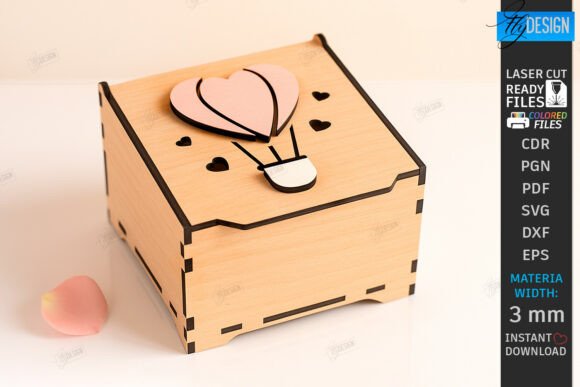
The foundation of any successful laser cutting project is the digital file. The Valentine s Day Gift Box Laser Cut Hearts Shape Box Wooden Gift Box Storage Box Wooden Decorative Box CNC File is designed specifically for compatibility with standard laser cutting machines. It is not merely an image but a vector-based instruction set that dictates where the machine should cut through the material and where it should engrave surface details.
In a broader creative workflow, this digital product serves as the bridge between conceptual design and physical output. Before you even power on your machine, the file determines the feasibility of the project. It includes a comprehensive zip archive containing multiple formats: SVG, EPS, PNG, PDF, and DXF. This variety ensures that regardless of your preferred software ecosystem—whether you use Adobe Illustrator, CorelDRAW, Inkscape, or specialized CAM software—you have a compatible entry point.
For professionals managing multiple projects, having access to these varied formats allows for seamless integration into existing design libraries. You can import the vector files directly into your layout software, adjust dimensions if necessary, and nest multiple boxes on a single sheet of plywood to maximize material efficiency. This level of preparation is essential for maintaining profitability and consistency in a production environment.
Navigating File Compatibility and Software Settings
One of the most critical phases in the laser cutting process is ensuring that your software interprets the file correctly. A common pitfall for many users, particularly those using Lightburn, involves dimension distortion. While SVG files are widely supported and easy to edit, they can sometimes suffer from scaling issues when imported into certain CAM programs. If you are working with Lightburn, it is highly recommended to use the DXF file format instead. DXF files tend to retain precise dimensional data, ensuring that the tabs, slots, and overall geometry of the heart-shaped box fit together perfectly without manual adjustment.
Understanding the color-coding within the file is equally important for efficient execution. The design utilizes a standard convention:
- Red lines indicate cut paths. These tell the laser to cut completely through the material.
- Black lines indicate engrave areas. These instruct the laser to etch the surface without cutting through.
Before sending the job to the machine, always verify that your software recognizes these colors as separate operations. Assign appropriate power and speed settings for each. Cutting typically requires higher power and slower speeds, while engraving requires lower power and faster speeds to achieve a clean, dark mark without burning the wood excessively. Misinterpreting these lines can lead to ruined materials and wasted time, so a thorough pre-flight check is non-negotiable.
Material Selection and Machine Preparation
The success of a Valentine s Day Gift Box Laser Cut CNC project is heavily dependent on the material used. Plywood is the standard choice for these types of storage and decorative boxes due to its stability and layered structure, which provides strength at thin profiles. However, not all plywood is created equal. High-quality birch plywood with minimal voids is ideal for achieving clean edges and strong joints. Lower-grade materials may contain gaps in the inner layers, leading to uneven cuts or weak structural integrity in the final assembly.
Preparation extends beyond material selection. Ensure your laser bed is clean and level. Use masking tape on the surface of the wood if you are concerned about smoke residue or minor scorching around the cut lines. This simple step can significantly reduce post-processing time, allowing you to focus on assembly rather than extensive sanding or cleaning.
Additionally, consider the thickness of your material. The CNC file is designed for a specific thickness, usually 3mm or 1/8 inch. Deviating from this specification without adjusting the file dimensions can result in loose or overly tight joints. If you must use a different thickness, be prepared to scale the slot widths accordingly in your vector software before cutting.
Assembly and Quality Control in the Workflow
Once the cutting process is complete, the workflow shifts to assembly and quality control. The heart-shaped design often involves interlocking tabs and slots. A well-executed cut should allow these pieces to fit together snugly without the need for excessive force or additional adhesives, although a small amount of wood glue can enhance durability for long-term use as a storage box.
During assembly, inspect each piece for char marks or incomplete cuts. Minor imperfections can be sanded away, but significant errors may indicate issues with your laser focus, lens cleanliness, or file settings. Documenting these observations helps refine your process for future batches. For entrepreneurs selling these items, consistent quality is key to building brand reputation. A smooth, splinter-free finish enhances the perceived value of the gift box.
Consider the end-user experience. If these boxes are intended for gifting, think about how they will be presented. Adding a ribbon, tissue paper, or a personalized engraved message can transform a simple wooden box into a memorable keepsake. The versatility of the design allows it to serve as a standalone decorative piece or a functional container for jewelry, chocolates, or small mementos.
Scaling Production and Customization Opportunities
For small business owners and marketers, the Valentine s Day Gift Box Laser Cut Hearts Shape Box Wooden Gift Box Storage Box Wooden Decorative Box CNC File offers a scalable solution. Because the design is digital, you can produce units on demand, reducing inventory risk. You can also easily customize the design by adding names, dates, or unique patterns within the engrave areas. This personalization capability is a powerful selling point in the handmade market.
To streamline large orders, organize your workflow by batching similar tasks. Cut all pieces for ten boxes at once, then move to sanding, then assembly. This assembly-line approach minimizes context switching and increases overall efficiency. Keep your digital files organized in a cloud storage system or local server, ensuring that you can quickly access the correct version of the file when needed.
If you require specific modifications, such as different sizes or alternative file formats, do not hesitate to reach out to the creator. Many designers are willing to accommodate reasonable requests, which can help tailor the product to your specific machine capabilities or customer needs. Communication with the designer can also provide insights into best practices that may not be immediately obvious from the file documentation alone.
Long-Term Value and Continuous Improvement
Investing in high-quality CNC files like this one contributes to a sustainable creative practice. Unlike physical molds or templates, digital files do not degrade over time and can be reused indefinitely. By mastering the nuances of laser cutting—such as file format selection, material behavior, and machine calibration—you build a skill set that applies to countless other projects.
Follow the shop or designer to stay updated on future releases. New designs often build upon the lessons learned from previous ones, offering improved features or trending aesthetics. Engaging with the creator community can also provide support and inspiration, helping you stay ahead in a competitive market.
In conclusion, the Valentine s Day Gift Box Laser Cut CNC is a versatile tool for anyone looking to combine craftsmanship with technology. By paying attention to file compatibility, material quality, and assembly techniques, you can produce beautiful, professional-grade gift boxes that resonate with recipients. Whether for personal use or commercial sale, integrating this design into your workflow demonstrates a commitment to quality and precision that stands out in today’s handmade marketplace.