Make Learning Fun with Hole Punching
Watching a child struggle to hold a pencil or trace a letter can be frustrating for both the learner and the educator. Traditional worksheets often fail to engage young minds, leading to short attention spans and limited progress in fine motor development. This is where Hole Punching activities transform the learning experience. By turning abstract shapes into tactile, hands-on tasks, you create an environment where children eagerly practice essential skills without realizing they are working.
The concept is simple yet profoundly effective. Instead of just looking at a letter or number, students interact with it physically. Using a specialized Hole Punching Font, educators and parents can generate custom materials that guide children to punch holes along specific outlines. This method bridges the gap between play and structured learning, offering a dynamic alternative to standard rote memorization.
Why Tactile Learning Works for Early Literacy
Young learners, particularly those in preschool, kindergarten, and first grade, process information differently than older students. They are kinesthetic learners who need to move and touch to understand concepts. When a child uses a hole puncher to follow the curve of an "S" or the straight lines of a "4," they are building muscle memory. This physical engagement strengthens the small muscles in the hands and fingers, which is a critical precursor to writing.
Beyond muscle strength, this approach enhances spatial awareness and hand-eye coordination. Each dot on the printable worksheet serves as a visual cue, helping the child understand the structure of the character. As they align the punch with the marker, they practice precision and focus. For children in special education or occupational therapy, this targeted practice is invaluable. It provides a low-pressure way to develop the dexterity required for holding scissors, buttoning shirts, and eventually, writing with a pencil.
Key Features of the Hole Punching Font
Not all educational resources are created equal. The Hole Punching Font stands out because it is designed specifically for this type of interactive activity. Here is what makes it a practical tool for classrooms and homes:
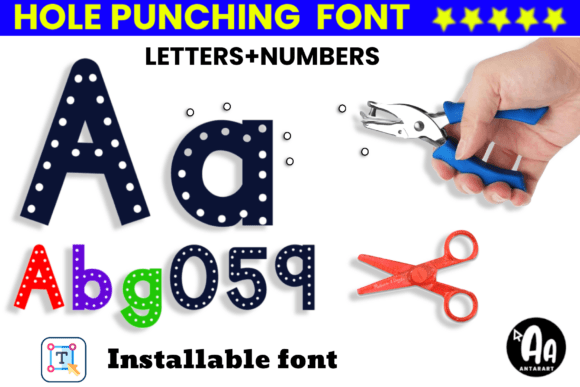
- Dotted Hole Markers: Each character includes pre-placed dots that indicate exactly where to punch. This removes guesswork and ensures consistent practice.
- Comprehensive Coverage: The font includes uppercase letters A–Z and numbers 0–20, covering the foundational literacy and numeracy needs of early learners.
- Ink-Saving Design: The blackline pages are optimized for printing, allowing you to produce large batches of worksheets without wasting resources.
- Versatility: While designed for hole punchers, the dotted outlines also work well with dot markers, stickers, or push pins, adding sensory variety.
This installable font gives you the freedom to create unlimited custom worksheets. You are not limited to pre-made packets; you can tailor the difficulty and content to match each child’s current skill level.
Practical Ways to Use Hole Punching Activities
The beauty of this resource lies in its flexibility. Whether you are a classroom teacher managing thirty students or a parent homeschooling one child, there are numerous ways to integrate these activities into your routine.
Classroom Centers and Morning Tubs
Start the day with purposeful play. Set up a "Morning Tub" station with laminated punch cards and single-hole punchers. As students arrive, they can choose a letter or number card to work on. This calm, focused activity helps transition them into the school day while quietly building their fine motor skills. It is an excellent way to manage classroom energy levels before formal instruction begins.
Small Group Instruction
During small group sessions, use the worksheets to reinforce letter recognition. Ask students to punch the holes for the first letter of their name or the current theme of the week, such as "B" for butterfly. This connects the physical action to cognitive recall, strengthening the neural pathways associated with literacy.
Occupational Therapy Sessions
For therapists, the repetitive nature of punching is therapeutic. It helps regulate sensory input and improves bilateral coordination, as the child must hold the paper steady with one hand while operating the puncher with the other. You can adjust the resistance by using different types of paper or punchers to challenge stronger hands or support weaker ones.
Tips for Getting Started
If you are new to incorporating Hole Punching into your teaching toolkit, here are a few practical observations to ensure success:
- Choose the Right Tools: Standard office hole punchers can be difficult for small hands to squeeze. Look for ergonomic or easy-squeeze punchers designed for children. Single-hole punchers offer more precision than multi-hole versions.
- Laminate for Reuse: To make the most of your resources, print the blackline pages on cardstock and laminate them. Students can then use dry-erase markers to trace the dots before punching, or simply reuse the cards multiple times if using stickers instead of punching.
- Supervise for Safety: While generally safe, always monitor young children when using sharp tools like push pins or stiff hole punchers. Teach proper handling techniques from the start.
- Combine with Other Sensory Materials: For added fun, let children place colorful pom-poms or beads over the punched holes. This extends the activity and adds a layer of creative expression.
Who Benefits Most from This Approach?
This method is not just for typical developing learners. It is particularly beneficial for children who struggle with traditional pencil-and-paper tasks. Kids with dysgraphia, ADHD, or sensory processing differences often find the tactile feedback of punching more engaging and less daunting than writing. The immediate visual result of a completed shape provides a sense of accomplishment that motivates continued effort.
Moreover, entrepreneurs and creators in the education sector can use this font to design unique products. Bloggers and marketers focusing on parenting or early childhood education can create downloadable content that resonates with audiences looking for screen-free, active learning solutions. The demand for high-quality, printable fine motor resources is consistently high, making this a valuable asset for digital product creators.
In conclusion, Hole Punching is more than just a craft; it is a strategic educational tool. By combining early literacy with physical movement, you help children build the foundational skills they need for future academic success. Whether you are printing a quick worksheet for a rainy afternoon or designing a full curriculum unit, this approach offers a creative, practical, and highly effective way to support young learners.