Love Line Art: Strategic Typography for Intentional Design and Communication
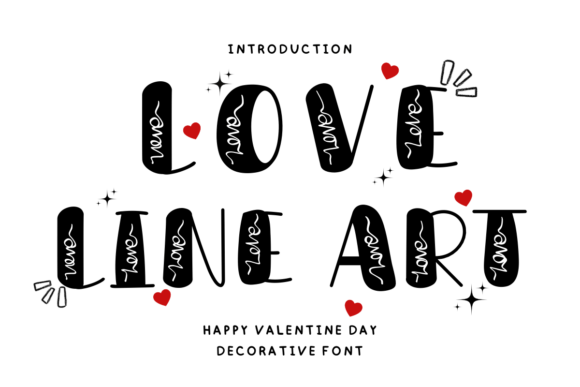
In the crowded landscape of visual communication, typography is rarely just about legibility. It is a primary vehicle for tone, emotion, and brand positioning. Love Line Art, a decorative font characterized by its intricate, flowing lines and artistic flair, represents more than a stylistic choice. For entrepreneurs, creators, and professionals, it serves as a strategic tool to humanize digital interactions and elevate tangible products. When deployed with precision, this typeface bridges the gap between functional information and emotional resonance, offering a distinct advantage in markets where authenticity and aesthetic appeal drive engagement.
Understanding how to leverage Love Line Art requires moving beyond superficial appreciation of its curves. It demands a clear assessment of your communication goals, your audience’s expectations, and the context in which the text will appear. This article explores the practical applications, strategic benefits, and necessary considerations for integrating this decorative font into your broader design and operational framework.
Defining the Strategic Value of Decorative Typography
Decorative fonts like Love Line Art are often misunderstood as purely ornamental. However, in strategic design, every element must serve a purpose. The primary value of this font lies in its ability to convey warmth, creativity, and personal attention. In an era where automated responses and generic templates dominate customer touchpoints, using a font that mimics hand-drawn elegance can signal care and craftsmanship.
For small business owners and freelancers, this distinction is critical. When you use Love Line Art on a greeting card or a personalized note, you are not merely displaying text; you are curating an experience. The font’s structure suggests effort and individuality, which can strengthen client relationships and enhance brand loyalty. It transforms standard communications into memorable interactions, supporting long-term retention goals rather than just immediate transactions.
Practical Applications Across Personal and Professional Contexts
The versatility of Love Line Art allows it to function effectively across various mediums. However, its effectiveness depends on matching the font’s personality with the medium’s purpose. Below are key areas where this typeface delivers measurable value.
Enhancing Personal Productivity and Reflection
While often associated with external marketing, Love Line Art has significant utility in personal organization. Using this font for digital journals, planners, or note-taking apps can transform mundane administrative tasks into engaging rituals. The aesthetic pleasure of viewing notes in a beautifully styled font can encourage consistency in journaling or planning. For educators and students, incorporating such typography into study materials or creative writing projects can stimulate interest and make learning materials feel less rigid and more inviting.
Elevating Brand Assets and Merchandise
For marketers and product designers, the application of Love Line Art extends to physical and digital merchandise. Consider its use on:
- Greeting Cards and Stationery: The font’s natural flow complements handwritten sentiments, making it ideal for thank-you notes, invitations, and holiday cards.
- Apparel and Mugs: When printed on t-shirts or ceramic mugs, the decorative lines create a boutique feel, allowing small businesses to compete with larger brands through perceived quality and uniqueness.
- Social Media Graphics: In feed posts or stories, short quotes or headlines rendered in Love Line Art can stop the scroll. The visual break from standard sans-serif fonts draws attention and encourages shares.
Supporting Content Marketing and Web Design
In digital content, readability is paramount, but so is engagement. While Love Line Art is not suitable for long-body text due to its decorative nature, it excels in headers, pull quotes, and call-to-action buttons. Using it strategically in blog banners or email newsletters can guide the reader’s eye and emphasize key messages. This selective use ensures that the font enhances the user experience without compromising accessibility or load times.
Decision-Making Framework: When to Use Love Line Art
Adopting any new design element requires a decision-making process grounded in context. Before integrating Love Line Art into your workflow, consider the following strategic questions:
- What is the emotional goal? If the objective is to convey professionalism, urgency, or technical precision, a clean sans-serif may be more appropriate. If the goal is to evoke warmth, nostalgia, or creativity, Love Line Art is a strong candidate.
- Who is the audience? Understand whether your target demographic responds positively to decorative styles. Younger audiences or those in creative industries may appreciate the artistic flair, while conservative sectors might prefer minimalism.
- What is the medium? Evaluate the technical constraints. Will the font be printed on textured paper, displayed on a high-resolution screen, or embroidered on fabric? Love Line Art performs best when its fine lines are preserved, so ensure the output method supports detailed rendering.
By answering these questions, you move from random experimentation to intentional design. This approach minimizes waste and ensures that every use of the font contributes to your broader objectives.
Risks and Mitigation Strategies
While Love Line Art offers significant benefits, misuse can lead to diminished credibility. The primary risk is overuse. Decorative fonts demand cognitive effort from the reader. If used excessively, they can cause fatigue and reduce comprehension. To mitigate this, adhere to the principle of contrast. Pair Love Line Art with simple, neutral typefaces for body text. This balance maintains visual interest while ensuring clarity.
Another risk is contextual mismatch. Using a whimsical, flowing font for serious legal disclaimers or financial reports can undermine trust. Always align the font’s tone with the gravity of the message. Additionally, consider accessibility. Ensure sufficient contrast between the font color and background, and avoid using Love Line Art for critical information that must be quickly scanned, such as safety instructions or navigation menus.
Long-Term Integration and Brand Consistency
For long-term results, treat Love Line Art as part of your brand’s visual identity system, not a one-off novelty. Develop guidelines that specify when and how the font should be used. Document these standards in your brand book to ensure consistency across all teams and platforms. Consistent use builds recognition, allowing your audience to associate the specific aesthetic of Love Line Art with your brand’s values of care and creativity.
Furthermore, regularly review the performance of designs featuring this font. Analyze engagement metrics on social media posts, sales data for merchandise, and feedback on printed materials. Use this data to refine your approach. If certain applications yield higher conversion rates or positive sentiment, double down on those strategies. If others fall flat, adjust your usage or explore complementary typefaces.
Conclusion: Intentionality Drives Results
Love Line Art is more than a decorative font; it is a strategic asset for those who understand the power of visual communication. By using it intentionally for notes, greeting cards, banners, and merchandise, you can enhance emotional connection and differentiate your brand. However, success depends on disciplined application. Avoid random usage. Instead, align each instance of Love Line Art with clear goals, audience insights, and contextual appropriateness.
Whether you are an entrepreneur looking to personalize customer experiences, a marketer aiming to boost engagement, or a creator seeking to express individuality, this font offers a pathway to more meaningful design. Approach it with thoughtfulness, test its impact, and integrate it into your broader strategy. In doing so, you transform typography from a mere aesthetic choice into a driver of better outcomes and lasting value.