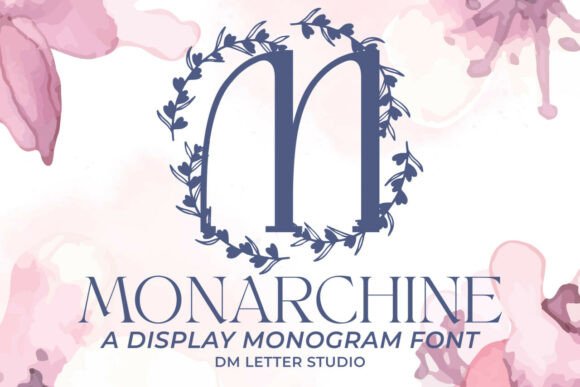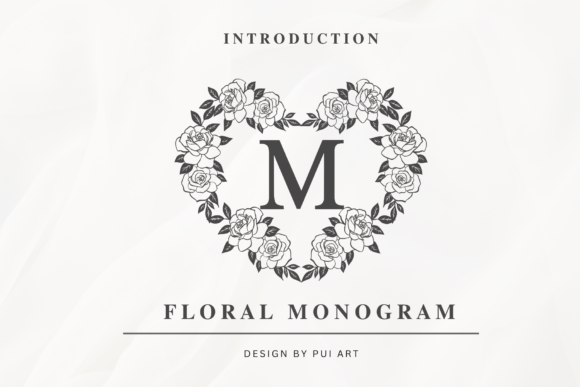
Floral Monogram: Elegant Serifs in Wreaths
In the world of visual identity, few elements carry as much immediate emotional weight as a well-crafted monogram. It is a personal seal, a brand signature, and a decorative artifact all at once. When you combine this classic typographic tradition with organic botanical elements, you create something that transcends simple labeling. A Floral Monogram merges the structural rigidity of elegant serif fonts with the soft, unpredictable beauty of hand-drawn floral wreaths. This fusion offers a timeless romance that appeals to modern sensibilities while honoring vintage aesthetics.
For designers, entrepreneurs, and creative individuals, understanding how to leverage this specific style can elevate projects from standard to sophisticated. Whether you are designing wedding invitations, building a luxury brand, or creating printable decor, the balance between bold outlines and delicate bloom details provides a versatile foundation for high-impact design.
The Anatomy of Timeless Romance
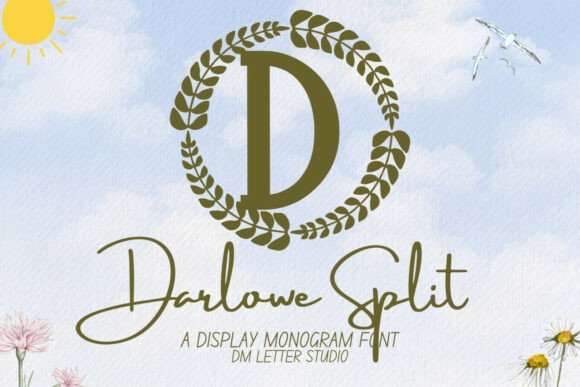
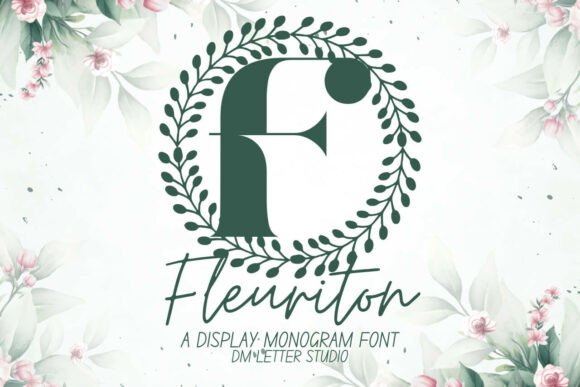
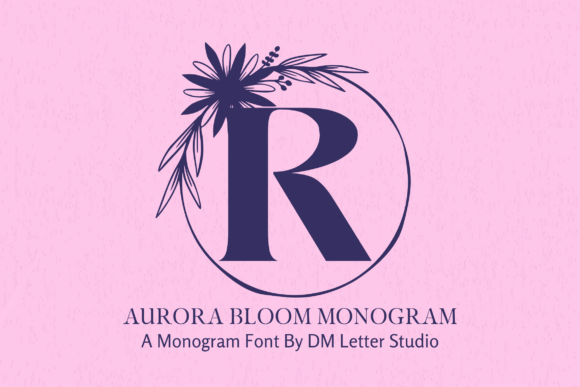
What makes a Floral Monogram distinct from other typographic treatments? The answer lies in the contrast. At its core, this style relies on an elegant serif font. Serifs are known for their readability and classical associations, often evoking feelings of tradition, reliability, and high culture. When these letters are framed by hand-drawn floral wreaths, the rigidity of the typeface is softened by the organic curves of leaves, petals, and vines.
The key characteristic here is the interplay between bold outlines and delicate details. The typography usually features strong, confident strokes that ensure legibility even at smaller sizes. Surrounding this anchor are intricate botanical illustrations that add depth and texture. This combination creates a visual hierarchy where the name or initial remains the focal point, but the surrounding flora invites closer inspection. It is this balance of classic elegance and organic charm that makes the style so enduring.
Practical Applications Across Industries
The versatility of a Floral Monogram extends far beyond traditional wedding stationery. While it is indeed a staple for nuptial designs, its application in professional and commercial contexts is vast. Here is how different sectors can utilize this aesthetic effectively:
- Luxury Branding and Logos: For boutiques, spas, and artisanal shops, a floral monogram serves as an instant signal of quality and care. It suggests a business that values craftsmanship and attention to detail.
- Wedding Invitations: This is perhaps the most common use case. The romantic undertones of the wreath paired with formal serifs set the tone for a celebration that is both elegant and intimate.
- Feminine Designs and Merchandise: From tote bags to phone cases, incorporating these monograms adds a personalized touch that consumers love. It transforms generic merchandise into keepsake-quality items.
- Social Media Assets: In a digital landscape crowded with minimalist flat design, a detailed floral monogram stands out. It works beautifully as a profile picture frame or a watermark for content creators.
- Printable Decor: Homeowners often seek unique wall art. Custom monograms framed in greenery offer a way to personalize living spaces without overwhelming the interior design.
Enhancing Brand Perception and Engagement
Why should a business owner or creator choose this style over a modern sans-serif logo? The benefit lies in emotional connection. A Floral Monogram does not just identify; it evokes. It communicates warmth, approachability, and a touch of nostalgia. In marketing terms, this can significantly boost engagement because it feels human-made rather than algorithmically generated.
For educators and publishers, using such typography in headers or chapter breaks can make materials feel more inviting and less sterile. It adds a layer of sophistication that respects the reader’s intelligence while providing visual relief. In freelance portfolios, a custom monogram can serve as a memorable signature, reinforcing the freelancer’s personal brand as both creative and professional.
Selecting the Right Elements for Your Project
Not all floral monograms are created equal. When evaluating or designing one, consider the following practical aspects to ensure it meets your needs:
- Legibility First: Ensure the serif font remains readable. If the floral elements overpower the letters, the monogram fails its primary function. Look for designs where the wreath frames rather than obscures the text.
- Scalability: Test the design at various sizes. Will the delicate bloom details disappear when printed on a small business card? Conversely, will the bold outlines look too heavy on a large banner? A good Floral Monogram maintains its integrity across scales.
- Color Palette Compatibility: While black and white offers maximum versatility, consider how the design works in color. Soft pastels enhance the romantic vibe, while deep greens and golds can elevate the luxury feel. Ensure the line weights allow for clear coloring if intended for print.
- Contextual Fit: Match the complexity of the wreath to the formality of the project. A highly intricate wreath suits a formal wedding invitation, while a simpler, looser arrangement might be better for casual social media graphics.
Implementation Tips for Creators
If you are integrating a Floral Monogram into your workflow, start by defining the core message. Is it about heritage? Romance? Nature? Let that guide your choice of flowers and font style. For digital use, always work with vector files to maintain crisp edges. For print, pay attention to paper texture; a textured stock can complement the hand-drawn nature of the wreath, adding tactile value to the visual experience.
Remember, the goal is harmony. The serif font provides the structure, and the floral wreath provides the soul. When these two elements work together, they create a design that is not only visually stunning but also deeply resonant with audiences who appreciate the finer details of life. By choosing a style that balances boldness with delicacy, you invest in a visual asset that remains relevant regardless of shifting design trends.