Exploring the Mrs. Claus Gingerbread Bakery Embroidery Design for Holiday Crafting
The holiday season brings a unique pressure to create meaningful, personalized gifts and decor. For crafters who rely on machine embroidery, finding designs that balance whimsical charm with technical reliability is often a challenge. The Mrs. Claus Gingerbread Bakery design has emerged as a notable option for those looking to add a touch of festive warmth to their projects. This article examines what makes this specific design distinct, how it compares to other seasonal motifs, and whether it fits your current crafting needs.
Understanding the Design Aesthetic and Appeal
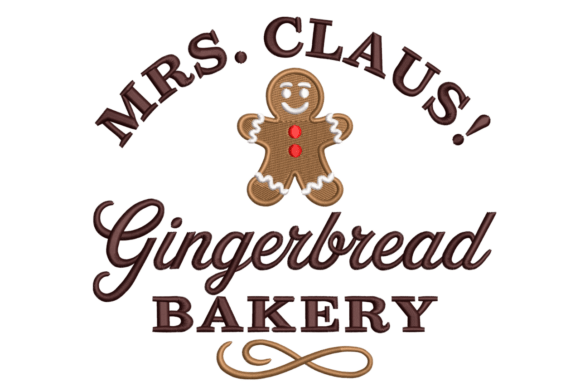
At its core, the Mrs. Claus Gingerbread Bakery motif captures a specific narrative niche within holiday embroidery. Unlike generic snowflakes or standard Santa Claus imagery, this design focuses on the cozy, culinary aspect of the North Pole mythology. It typically features Mrs. Claus in an apron, surrounded by gingerbread men, rolling pins, or steam rising from fresh batches of cookies. This storytelling element adds depth to simple fabric items, transforming a plain tote bag or t-shirt into a conversation piece.
The appeal lies in its versatility. While traditional red-and-green Christmas designs can sometimes feel repetitive, the bakery theme introduces earthy tones—browns, creams, and soft pinks—that blend well with modern home decor aesthetics. For adults aged 20–50 who may prefer subtle holiday nods over loud declarations, this design offers a balanced approach. It is festive without being overwhelming, making it suitable for both children’s items and adult apparel.
Technical Compatibility and File Formats
One of the most critical factors when evaluating any digital embroidery asset is compatibility. The Mrs. Claus Gingerbread Bakery design is distributed with multiple embroidery file formats, which is a significant advantage for users with diverse machine ecosystems. Whether you operate a Brother, Janome, Husqvarna Viking, or Bernina machine, having access to formats such as PES, DST, JEF, and EXP ensures that you do not need to rely on third-party conversion software, which can sometimes distort stitch counts or alter density.
This multi-format availability reduces the technical barrier to entry. For beginners, it means less troubleshooting before the first stitch. For experienced embroiderers, it allows for quicker workflow integration. However, it is important to note that while the files are compatible, the final output still depends on proper hoop selection and stabilizer choice. The design is described as "easy to stitch," which generally implies optimized underlay stitches and manageable density, but user skill remains a variable in achieving professional results.
Comparing Approaches: Appliqué vs. Full Stitch
When considering holiday designs, crafters often choose between full satin-stitch designs and appliqué styles. The Mrs. Claus Gingerbread Bakery design may be available in variations, but understanding the difference is key to selecting the right version for your project.
- Full Stitch Designs: These provide a textured, raised look that feels premium. They are ideal for towels or heavy canvas bags where durability is key. However, they consume more thread and take longer to complete.
- Appliqué Styles: If the bakery design includes an appliqué component, it allows you to use patterned fabrics for Mrs. Claus’s dress or the gingerbread cookies. This approach is faster and uses less thread, making it cost-effective for large batches. It also adds a mixed-media texture that many crafters find appealing.
For those comparing options, consider the end use. If you are making a decorative wall hanging, a full-stitch version might offer the detail you want. If you are producing ten t-shirts for a family gathering, an appliqué-friendly version of the bakery scene could save hours of machine time.
Best-Fit Projects and Material Considerations
The versatility of this design shines when applied to the right materials. Because the theme is warm and inviting, it pairs exceptionally well with natural fibers. Here are some practical applications where this design excels:
- Tote Bags: Canvas totes benefit from the sturdy nature of embroidery. The bakery theme suggests utility and warmth, making these bags perfect for carrying holiday gifts or groceries during the festive season.
- T-Shirts and Apparel: When stitching on knit fabrics, stabilization is crucial. The design’s "personality" comes through best when centered on the chest or placed on the back of a flannel shirt. Using a cut-away stabilizer is recommended to prevent puckering, especially if the design includes larger filled areas like Mrs. Claus’s apron.
- Decorative Fabric Pieces: Pillow covers or table runners can feature this design as a focal point. In these cases, you might opt for higher-quality threads, such as rayon or polyester, to enhance the sheen and visual impact of the gingerbread details.
It is worth noting that while the design is user-friendly, complex elements like small text or intricate cookie decorations require precise needle placement. Testing on a scrap piece of your intended fabric is always a prudent step before committing to the final project.
Evaluating Tradeoffs and Limitations
No design is universally perfect, and understanding the limitations of the Mrs. Claus Gingerbread Bakery motif helps in making an informed decision. One potential tradeoff is color complexity. Designs with many color changes can increase production time and the risk of thread breaks. If the version you are viewing has numerous distinct colors for the cookies, icing, and clothing, consider whether you have the patience for frequent thread swaps.
Additionally, while the design is marketed as easy to stitch, "easy" is relative. For absolute beginners, any design involving faces or detailed characters can be challenging due to the need for precise registration. If the eyes or facial features of Mrs. Claus are slightly off, the entire character’s expression can change. Therefore, this design may be better suited for intermediate crafters or beginners who are willing to practice hooping techniques thoroughly.
Another consideration is seasonal relevance. Unlike generic winter themes that can last from December through February, a specific "Gingerbread Bakery" theme is tightly linked to Christmas. If you are looking for designs with year-round utility, this may not be the most versatile investment. However, for dedicated holiday crafting, its thematic specificity is a strength rather than a weakness.
Decision Factors: Is This Design Right for You?
Choosing the right embroidery design involves balancing aesthetic preference with practical constraints. The Mrs. Claus Gingerbread Bakery design is likely a strong candidate if you value narrative-driven art and need a reliable file structure for multiple machines. It is particularly well-suited for creators who want to produce heartfelt, personalized gifts that stand out from mass-produced holiday merchandise.
However, if you are looking for minimalist modern art or designs that require minimal thread usage, you might explore simpler geometric holiday patterns. Similarly, if you are working with very stretchy or delicate fabrics, you may need to scale down the design or choose a version with less density to avoid fabric distortion.
Ultimately, the decision comes down to your project goals. If you aim to create cozy, story-rich items that evoke the spirit of holiday baking and tradition, this design offers a compelling blend of charm and technical accessibility. By understanding its strengths in file compatibility and aesthetic appeal, while acknowledging the need for careful stabilization and color management, you can integrate this resource effectively into your crafting toolkit.
For those ready to upgrade their holiday projects, taking the time to review the specific stitch count and color sequence of the Mrs. Claus Gingerbread Bakery file before purchasing or downloading will ensure it aligns with your machine’s capabilities and your creative vision. This preparatory step, combined with the design’s inherent flexibility, positions it as a valuable asset for seasonal crafting endeavors.