Evaluating Cataline Calligraphy for Holiday Design Projects
In the realm of graphic design, typography serves as more than just a vessel for text; it sets the emotional tone and establishes the visual hierarchy of a composition. When approaching seasonal projects, designers often seek typefaces that convey specific cultural and emotional cues without resorting to cliché or amateurish aesthetics. Cataline Calligraphy emerges as a notable option in this niche, offering a festive and merry aesthetic that aims to capture the spirit of the holiday season through decorative elements and whimsical flair.
This article provides a practical evaluation of Cataline Calligraphy, examining its technical features, design characteristics, and suitability for various professional and personal projects. By understanding the strengths and limitations of this typeface, creators can make informed decisions about whether it aligns with their workflow and design objectives.
Design Characteristics and Aesthetic Appeal
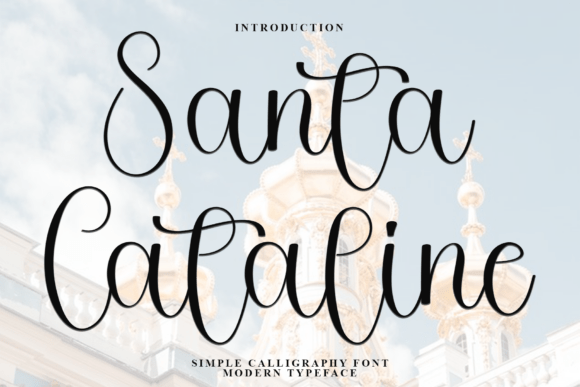
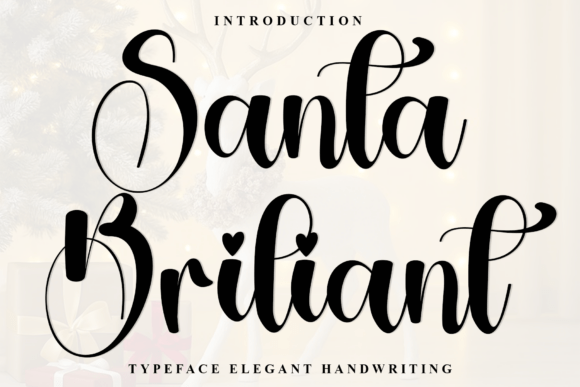
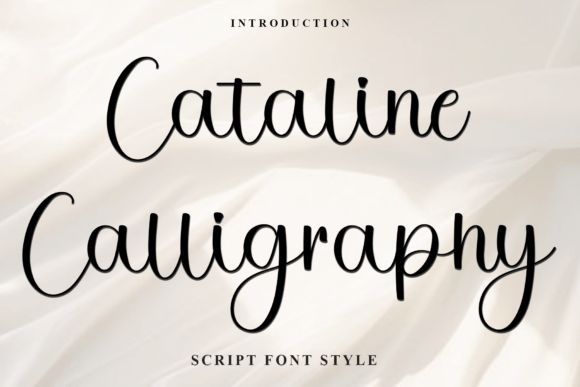
The primary appeal of Cataline Calligraphy lies in its ability to balance decoration with legibility. Unlike rigid sans-serif fonts or overly ornate scripts that can become difficult to read at smaller sizes, this typeface maintains a cheerful and nostalgic ambiance while ensuring the message remains clear. The letterforms feature fluid strokes and subtle variations in weight, mimicking the natural movement of hand-lettering.
The "whimsical flair" mentioned in its description is evident in the slight irregularities and organic curves that prevent the text from appearing mechanically perfect. This human touch is crucial for holiday-themed projects, where warmth and authenticity are often prioritized over corporate precision. The decorative elements are integrated seamlessly into the glyphs, adding a touch of enchantment without overwhelming the core structure of the letters.
For designers working on greeting cards, gift tags, and holiday-themed packaging, these characteristics are particularly valuable. The font brings a sense of celebration to the design, allowing the typography itself to act as a decorative element. However, it is essential to note that such stylized fonts work best when used sparingly. Overuse can lead to visual clutter, diminishing the impact of the decorative details.
Technical Features and Usability
Beyond its visual appearance, the technical implementation of a font significantly impacts its usability in professional workflows. One of the most significant advantages of Cataline Calligraphy is its PUA (Private Use Area) encoding. For those unfamiliar with this technical term, PUA encoding allows users to access special characters, glyphs, and ligatures directly through standard keyboard shortcuts or character maps, rather than requiring complex software-specific workarounds.
This feature enhances efficiency, particularly for freelancers and small business owners who may not have extensive time to dedicate to typographic tweaking. Accessing amazing glyphs and ligatures with ease means that designers can quickly add flourishes, alternate letterforms, and decorative swashes to their projects. This flexibility supports a more dynamic design process, enabling rapid iteration and customization.
The consistency of the font across different platforms is another critical factor. Whether used in Adobe Illustrator, Photoshop, or web-based design tools, PUA-encoded fonts tend to maintain their integrity, ensuring that the special characters display correctly. This reliability is vital for professionals who need to deliver consistent results to clients or maintain brand standards across various media.
Practical Applications and Real-World Performance
To understand the true value of Cataline Calligraphy, it is helpful to consider specific use cases where its strengths shine. The font is explicitly marketed for greeting cards, gift tags, and holiday-themed projects, but its utility extends further for those who understand how to leverage its stylistic traits.
- Greeting Cards and Invitations: The festive nature of the font makes it ideal for headlines and main messages on holiday cards. Pairing it with a clean, neutral sans-serif for body text creates a balanced composition that is both elegant and readable.
- Product Packaging and Labels: Small businesses selling handmade goods, baked items, or artisanal products during the holiday season can use Cataline Calligraphy on labels to convey a sense of care and craftsmanship. The nostalgic ambiance aligns well with brands that emphasize tradition and quality.
- Social Media Graphics: Marketers and content creators can utilize the font for short, impactful phrases in Instagram posts or Facebook ads. The decorative elements catch the eye in crowded feeds, though it should be used against high-contrast backgrounds to ensure legibility on small screens.
- Printable Decor: Educators and parents creating classroom decorations or home holiday decor can benefit from the font’s cheerful tone. It adds a personalized touch to posters, banners, and signs.
In each of these scenarios, the key to success is context. Cataline Calligraphy performs best when it is the focal point of the design. Using it for long paragraphs of text is not recommended, as the decorative elements can cause eye fatigue. Instead, reserve it for headings, titles, and short emphasis lines.
Target Audience and Professional Fit
Who stands to benefit most from incorporating Cataline Calligraphy into their toolkit? The font appeals to a broad range of creators, from serious hobbyists to professional marketers. Freelance graphic designers will appreciate the PUA encoding for its time-saving capabilities, allowing them to deliver polished designs efficiently. Small business owners, particularly those in retail or e-commerce, can use the font to enhance their seasonal marketing materials without needing to hire a custom lettering artist.
Bloggers and publishers focusing on lifestyle, home decor, or culinary content may find the font useful for creating visually engaging headers for holiday-related articles. The whimsical flair adds personality to digital content, helping to differentiate their brand voice during the competitive holiday shopping season.
However, it is important to recognize the limitations. Corporate entities with strict brand guidelines that prioritize minimalism or modernity may find Cataline Calligraphy too informal or decorative. Similarly, projects requiring high accessibility standards must ensure that the font is used only for decorative purposes, with accessible alternatives provided for screen readers and users with visual impairments.
Long-Term Value and Versatility
While Cataline Calligraphy is themed around the holiday season, its value is not limited to a few weeks in December. The nostalgic and cheerful qualities of the font can be adapted for other celebratory occasions, such as birthdays, anniversaries, or winter-themed events. The key is to view the font as a tool for conveying joy and festivity, rather than strictly Christmas-specific imagery.
From a long-term perspective, investing in a high-quality, PUA-encoded script font like this adds versatility to a designer’s library. Unlike free, poorly constructed fonts that may lack complete character sets or consistent spacing, a well-made typeface ensures professional results across multiple projects. The ability to access ligatures and glyphs easily means the font can grow with the user’s skills, offering new creative possibilities as they experiment with different combinations and layouts.
Ultimately, the decision to use Cataline Calligraphy should be driven by the specific needs of the project and the intended audience. For designers seeking to add a touch of enchantment and warmth to their work, this typeface offers a reliable and aesthetically pleasing solution. By understanding its technical features and applying it with strategic restraint, creators can elevate their holiday designs and deliver meaningful visual experiences.
As with any design asset, the best approach is to test the font in your specific workflow. Download the trial version if available, experiment with the ligatures, and assess how it pairs with your existing typeface collection. This hands-on evaluation will provide the clearest insight into whether Cataline Calligraphy fits your creative goals and professional standards.