Cross Stitch Embroidery: A Creative Guide
Cross stitch embroidery has long been cherished as a meditative craft, a way to slow down in a fast-paced world. Yet, its appeal extends far beyond traditional floral patterns and sampler quotes. At the intersection of textile art and graphic design lies a unique opportunity: the use of cross stitch handwriting lettering. This approach transforms simple stitches into personalized typography, allowing creators to build words that feel both handmade and intentional. Whether you are designing a modern home decor piece, creating branded merchandise for a small business, or simply exploring a new hobby, understanding how to manipulate text within the grid of cross stitch opens up a realm of creative possibility.
The Appeal of Handwritten Typography in Stitch
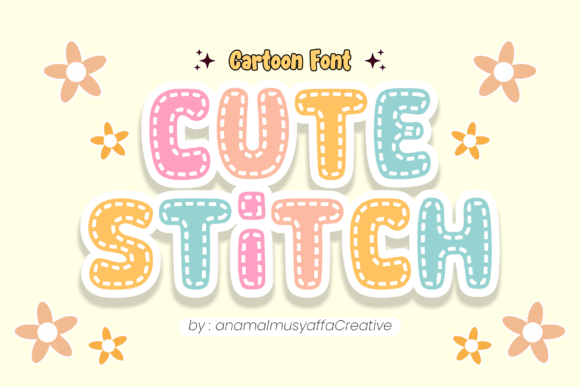
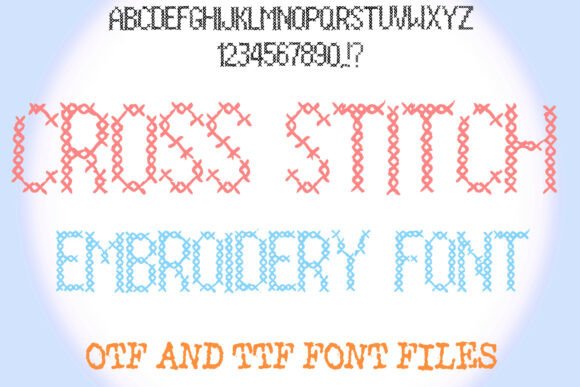
Standard fonts often feel rigid when translated into pixel-like squares. A sewing style font, particularly one designed with a quirky, handwritten aesthetic, bridges the gap between digital precision and human imperfection. When you choose a cross stitch embroidery handwriting lettering ABC text font, you are not just selecting letters; you are choosing a voice. These fonts mimic the natural flow of pen on paper, complete with slight irregularities that make each character feel alive.
This quirkiness is incredibly adept in a wide variety of contexts. For marketers and entrepreneurs, it offers a way to soften brand messaging, making it feel approachable and authentic. For educators, it provides a tactile method to teach literacy or fine motor skills. The key lies in the versatility of the medium. Unlike printed text, stitched letters have texture, depth, and a physical presence that commands attention without shouting.
Designing Your Own Words and Colors
One of the most empowering aspects of this craft is the ability to create your own words and color them to your vision. You are not limited to pre-packaged kits. Instead, you become the designer. Start by considering the emotional tone of your message. Is it playful? Serious? Whimsical? Your choice of font weight and stitch density will communicate this before the viewer even reads the word.
- Select a Base Font: Look for ABC text fonts specifically optimized for cross stitch grids. These ensure that curves and diagonals do not become too fragmented or difficult to follow.
- Experiment with Color Palettes: Don’t be afraid to mix unexpected hues. A monochromatic scheme offers sophistication, while high-contrast colors create pop and energy.
- Consider Background Fabric: The color of your Aida cloth or linen acts as the negative space. A dark fabric with light thread creates a dramatic, night-sky effect, while white-on-white offers subtle elegance.
When coloring your vision, think about readability. Cross stitch relies on contrast. If your background is busy or dark, ensure your thread color stands out clearly. This is particularly important if the final piece is intended for functional use, such as a pillowcase or a tote bag, where quick recognition matters.
Practical Applications for Creators and Businesses
For freelancers and small business owners, cross stitch embroidery offers a tangible product line that stands out in a digital marketplace. Custom name tags, personalized gifts, and bespoke home decor items are perennial bestsellers. However, the application goes beyond retail. Bloggers and publishers can use images of stitched typography to add warmth to their online content, breaking up text-heavy posts with visually engaging, handcrafted elements.
Designers can also use cross stitch motifs as inspiration for digital graphics. The pixelated nature of cross stitch translates beautifully to retro-style web design or app interfaces. By understanding the constraints of the grid, you can create digital assets that feel nostalgic yet modern. This cross-pollination between physical craft and digital design is where true innovation happens.
Educational and Therapeutic Uses
Educators and therapists recognize the value of cross stitch in developing focus and patience. Using handwriting lettering fonts allows students to connect the shape of letters with the physical act of forming them. It reinforces letter recognition through muscle memory. For adults dealing with stress or anxiety, the repetitive motion of stitching, combined with the creative freedom of choosing words and colors, provides a grounding experience. It is a form of active meditation that results in a beautiful, lasting object.
Keeping Results Clear and Consistent
To ensure your cross stitch embroidery projects remain professional and audience-friendly, organization is key. Before picking up a needle, map out your design. Use graph paper or digital software to visualize how the handwriting font will look on the grid. Pay attention to spacing between letters; cramped text can become illegible, while too much space can disconnect the words.
Consistency in tension is another critical factor. Uneven stitches can distort the shape of the letters, making the font look messy rather than quirky. Practice maintaining uniform tension across your work. If you are working on a large project, consider using a hoop or frame to keep the fabric taut. This prevents puckering and ensures that your letters remain straight and true.
Originality comes from how you interpret the font. Do not feel bound to use the font exactly as provided. You can modify individual letters, add decorative flourishes, or combine different fonts for emphasis. For example, use a bold, blocky font for the main word and a delicate script for a subtitle. This layering adds visual interest and guides the viewer’s eye through the message.
Adapting to Different Contexts
The beauty of cross stitch embroidery handwriting lettering is its adaptability. Here is how different users can tailor their approach:
- For Home Decor: Focus on short, impactful phrases. Use neutral tones for a minimalist look or vibrant colors for a bohemian vibe. Frame the finished piece to elevate it from craft to art.
- For Branding: Incorporate your logo or tagline into a stitched format for social media posts or packaging inserts. This adds a personal touch that customers appreciate.
- For Gifts: Personalize items with names, dates, or inside jokes. The effort involved in hand-stitching conveys care and thoughtfulness that store-bought items cannot match.
When adapting your design, consider the viewer’s perspective. Will they see it from afar or up close? Large, bold letters work well for wall hangings, while finer details suit smaller items like coasters or bookmarks. Always test a small section first to ensure the font size is appropriate for the fabric count you are using.
Finding Inspiration and Moving Forward
Creativity thrives on exposure. Look at contemporary textile artists, graphic designers, and even street art for inspiration. Notice how they use typeface to convey emotion. Apply these principles to your cross stitch work. Remember, the goal is not perfection but expression. A slightly uneven stitch can add character, reinforcing the handmade nature of the piece.
As you explore cross stitch embroidery, keep a journal of your ideas. Sketch out font combinations, note down color palettes that resonate with you, and document what works and what doesn’t. This practice will help you develop a unique style that sets your work apart. Whether you are stitching for joy, profit, or therapy, the process is as rewarding as the final product. Embrace the quirks, trust your vision, and let your words take shape one stitch at a time.